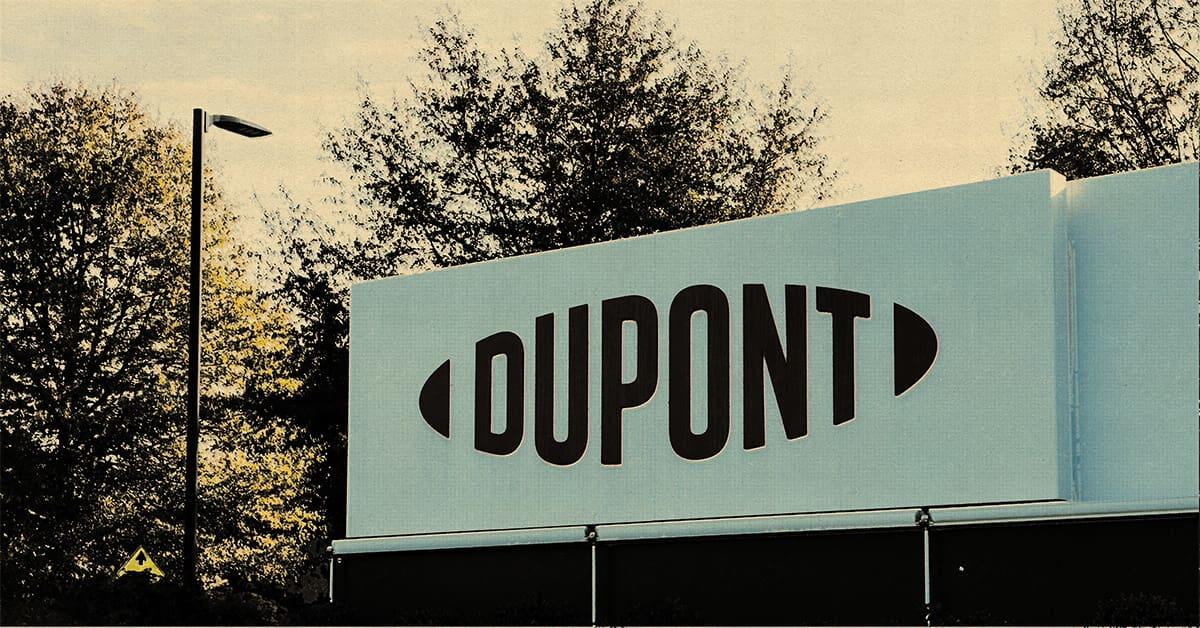
Early on a November morning in 2014, a routine draining job at a DuPont plant in Texas released nearly 24,000 pounds of toxic gas indoors, killing four workers. As industrial risk consultant Jowanza Joseph writes, the task had become daily practice without ever being written into a procedure or run through review. As the DuPont disaster shows, you can have a manual for every task and still not be doing them.
The crew at DuPont’s La Porte plant had been fighting the same problem for days. A plug of methyl mercaptan hydrate had formed in a feed line to an insecticide unit, and until it cleared, the unit stayed down. Around 4 a.m. Nov. 15, 2014, they were working on the restart when pressure began climbing in a vent header. This had happened before. Liquid collected in that header, and the plant’s solution was simple: open the drain valves and let it run out. Two workers opened the valves. They were standing inside the manufacturing building, and what came out of the line that night was not water or solvent. It was toxic methyl mercaptan, close to 24,000 pounds of it, released indoors.
Crystle Wise got a call out for help before she was overcome. Robert Tisnado went in after her. Wade Baker, the shift supervisor, went in too. Then Robert’s brother, Gilbert, went in. Workers later found Gilbert beside Robert. None of the four survived.
The US Chemical Safety and Hazard Investigation Board (CSB) did not issue its final report until June 2019. By then, investigators had traced the release through records that were already at the Texas plant in 2014: a vent header known to collect liquid, daily instructions for draining it and repair paperwork for the building’s rooftop fans.
DuPont sold safety for a living
DuPont started selling its safety know-how in the late 1960s, and that sideline eventually became DuPont Sustainable Solutions, a global consulting business. How could such a catastrophe happen at the very company selling safety worldwide, investigators would come to ask.
When OSHA finished its citations after La Porte, David Michaels, the longest-serving OSHA head in US history, said DuPont “promotes itself as having a ‘world-class safety’ culture and even markets its safety expertise to other employers, but these four preventable workplace deaths and the very serious hazards we uncovered at this facility are evidence of a failed safety program.”
DuPont’s corporate process safety rules were not the problem. By most accounts, they were strong. The problem was La Porte was not running on them. The investigations board found the site had never formally assessed its own process safety culture, and its list of contributing problems is a tour of unglamorous management chores: auditing, corrective actions, management of change, shift communications, toxic gas detection, emergency response. A plant can have manuals covering every one of those tasks and still not be doing them. La Porte is tragic evidence of that.
Whether a program works in practice or just looks good on paper is a central one the government uses in assessing the effectiveness of a compliance program, according to the DOJ’s “Evaluation of Corporate Compliance Programs” publication. So to put this incident into compliance language, the drain valves were an undocumented workaround that had become the real procedure, and the fan work order was an overdue remediation item behind an audit finding.
Root Cause Analysis: Right-Sized Guidance Before the Crisis Hits
RCA guidance helps a company avoid improvisation, apply consistent criteria and distinguish fixing an incident from fixing its cause
Read moreDetailsStart with the drain valves
Why were workers draining a toxic gas line by hand, indoors, in the first place? Because of a construction project. A $20 million incinerator job wrapped up in 2011 and left the vent system with a flaw: liquid collected in the piping, and there was nothing in the design to remove it. So people got rid of it, manually, every day. The task made it into the daily operating instructions. It never made it into a written procedure, and nobody ever ran it through a management of change review, which is the process chemical plants use to stop and think before a job becomes routine. The instructions mentioned no breathing equipment. They asked for a sample of the drained liquid so the plant could find out what it actually was. Month after month, the sample was never taken, the CSB report said.
Sit with that for a second. An unidentified liquid, drained by hand, on a schedule, at a plant owned by the industry’s most safety-conscious company. The routine became the training. By November 2014, the crew had every reason to believe opening those drains was ordinary work, because it was. They did it all the time.
Workers heated sections of piping during the restart, hoping to melt the hydrate plug. They also realigned valves. DuPont did not put either change through management of change review. Once the plug cleared, methyl mercaptan entered the vent system. The indoor drain valves were open, and the gas escaped there into the manufacturing building.
At La Porte, the draining job appeared in daily instructions, yet no written procedure covered it. The daily instructions also asked for a liquid sample. Nobody collected one. A gap like that is easy to miss during a document review because the job had a schedule and people assigned to it, even though the underlying work had never been reviewed as a procedure.
Both fans were broken
Shorter story, same plant. The manufacturing building had two ventilation fans on the roof. DuPont’s own auditors had raised the ventilation as a concern about five years earlier. On the night of the release, neither fan worked. The repair had a work order, which was marked urgent. And it had sat that way for nearly a month.
The CSB did not claim that repairing the fans would have saved the four workers. It concluded that the quantity released was probably too large for the ventilation system to keep the building safe once methyl mercaptan began escaping indoors. The unresolved repair still belongs in the account because DuPont’s auditors had identified ventilation as a concern years earlier, and the plant went into that night with no working rooftop fans.
At the 2019 release of the report, then-CSB Interim Executive Kristen Kulinowski called La Porte “a long chain of failures” and pointed to the plant’s habit of “deferring much needed process improvements.”
In 2023, DuPont pleaded guilty to one count of a negligent release of an extremely hazardous substance, and a judge ordered the company to pay $16 million and put them on two years of industrial probation, the Associated Press reported. In a statement at the time, Corteva, a DuPont spinoff, said it “deeply regrets” the gas leak, adding, “We are committed to the highest safety standards, and safety is a core value.”
The fan work order was marked urgent for almost a month. Before that repair date passed, a senior manager could have been required to review the delay and sign a short extension. The extension would have stated when the fans would be repaired and why the building could keep operating in the meantime.
At the company site with the best reputation, when was the last time someone spent a full shift watching the work before opening the procedure binder? At La Porte, the paperwork made the daily draining job look settled; watching liquid come out of that vent line indoors might have raised a question the file did not.
How old is the oldest safety-critical repair in your backlog, and does its file show a dated review of the delay with a name attached? La Porte’s fan work order said “urgent” for nearly a month.
And the drain valve question, which is the one I keep coming back to: what are your crews doing every day that no procedure covers and no review ever approved? Somebody at your company knows. It is probably not the person who writes the compliance report.
Crystle Wise, Robert and Gilbert Tisnado and Wade Baker did what their training told them to do. At La Porte, the training was the undocumented workaround, the file said nothing was wrong, and four people paid for the difference.

 Jowanza Joseph is the founder and CEO of Parakeet Risk, where he works on risk engineering for industrial operations. He hosts the podcast “Industrial Risk Beyond the Blueprint” and writes about industrial risk on Substack.