Leadership and Career
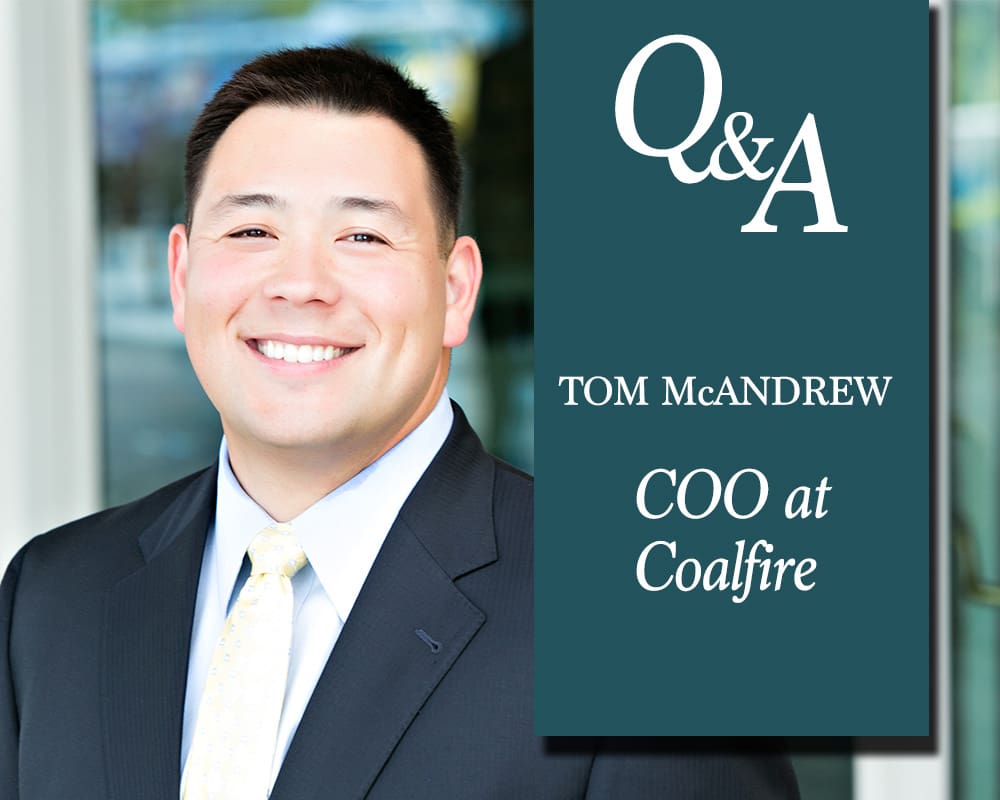
Q&A with Tom McAndrew, Chief Operating Officer at Coalfire
Q&A with Tom McAndrew, Chief Operating Officer at Coalfire CCI: How did you get started on a career in compliance? Tom McAndrew: I started my career in the Navy. As the Navy started putting more technology on ships, they realized that they needed to create better certification programs to ensure that all the systems operated correctly, specifically the combat systems (missiles,...
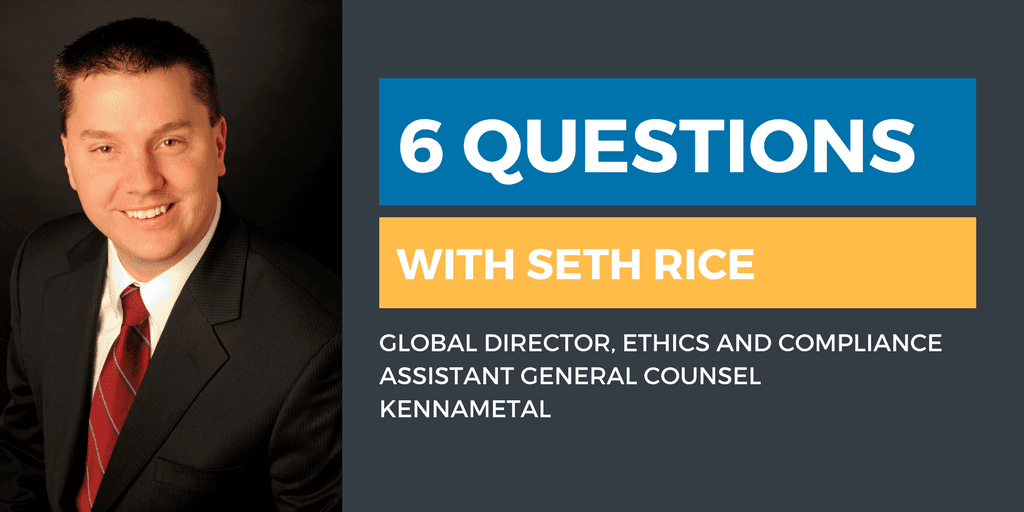
Six Questions with an Ethics & Compliance Officer: Seth Rice
Welcome to Six Questions with an Ethics & Compliance Officer, a new interview series from SAI Global created in conjunction with National Compliance Officer Day. Each post will shine the spotlight on a different member of the E&C community, from established CCOs and CECOs with years of experience to rising stars with a passion for ethical behavior. To be featured in your...
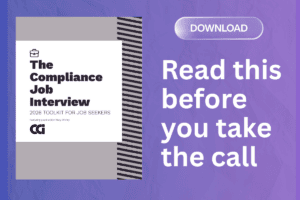
Compliance Job Interview Questions and Answers
Developed with guest editor Mary Shirley, this toolkit breaks down what compliance hiring managers are actually looking for — and arms candidates with the strategic questions they should be asking right back.
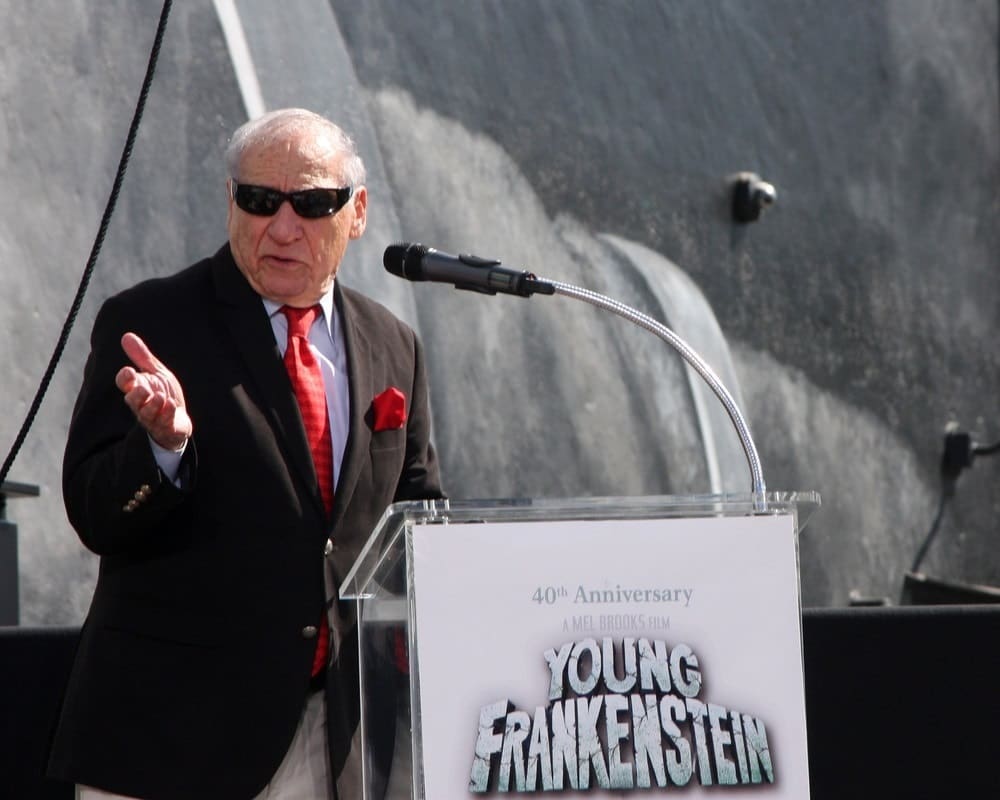
The Critical Nature of Funny
The Impact of Humor on Decision-Making A sense of humor is an invaluable thing. Not only does it endear us to each other and help to form bonds between us, but it can be a lifesaver in unthinkable conditions. According to Linda Henman's doctorate research, this was the case for many prisoners of war. In her extensive experience coaching executives,...

The Slippery Slope to an Eroded Culture of Compliance
“Broken Windows” and Employee Misconduct The broken windows theory proposed by James Q. Wilson and George Kelling links disorder to subsequent occurrences of serious crime. Michael Volkov suggests it can be applied in a corporate setting as well. Anytime employee misconduct goes unpunished, more bad behavior is likely to spring up. Criminologists have debated for years the efficacy of the...
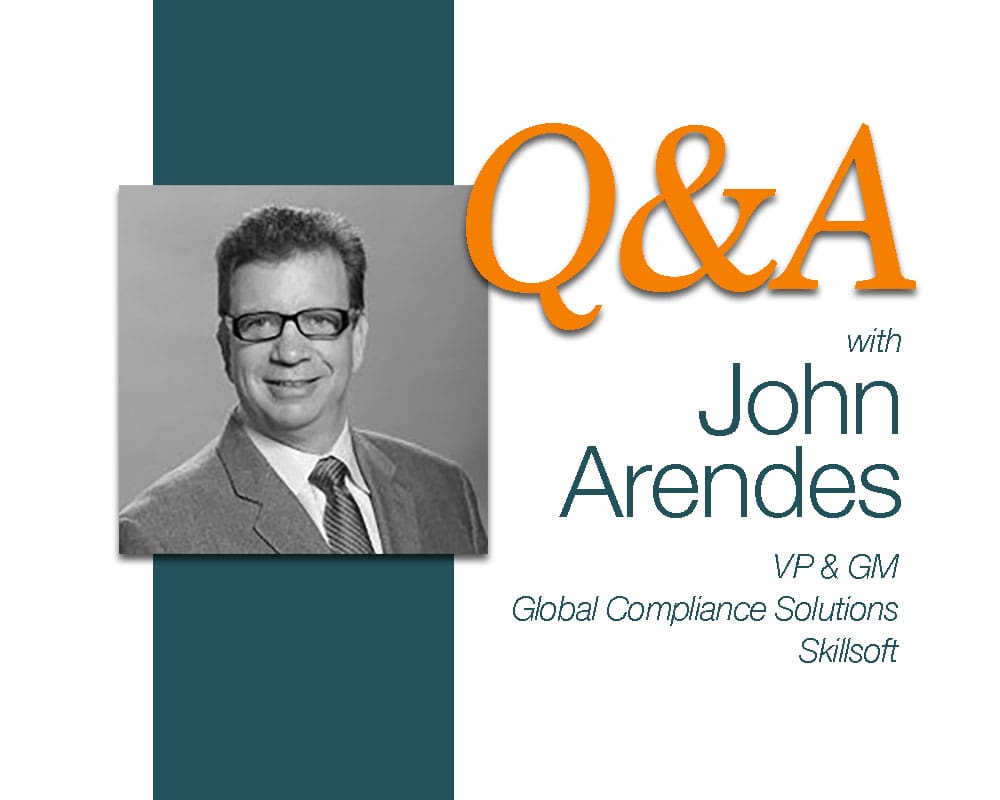
Building a Culture of Compliance Through Training
Q&A with John Arendes, VP and GM Global Compliance Solutions at Skillsoft Today, we present an interview between CCI’s Maurice Gilbert and compliance expert John Arendes. Skillsoft is a leader in e-learning, and one of the company’s main areas of focus is compliance training. What follows is some background on this thought leader, as well as John’s insights into how...

The Key to Improving Corporate Culture
3 Ways to Affect a Different Kind of Climate Change In light of the corporate compliance failures that have entered the news cycle, compliance programs have increasingly focused on the role culture plays in causing these failures. However, while most compliance executives understand the link between culture and employee misconduct, they are not sure how to act on it. In...

Snake Bait and Unintended Consequences
A Lesson on Faulty Risk-Taking It’s impossible to plan for – or even imagine – every eventuality when assessing risk, but a pragmatic approach is never ill-advised. The folks at the Discovery Channel learned a hard lesson when a television stunt backfired, not delivering the much-hyped outcome viewers expected. Here are some takeaways for savvier business leaders. In December of...

CEOs Must Support Their Compliance Officers
Here’s How They’re Failing The relationship between compliance officers and the company’s top leadership is a hot one these days, and there are specific ways CEOs can be more effectively supporting compliance practitioners. It’s a complex relationship, but one bears improving in many cases. Avani Desai offers insights into just what executives can do better. When speaking with CEOs and...

Top 5 Common Mistakes Made by CCOs
(And How to Avoid Making Them) We all make mistakes, and CCOs are no exception. While CCOs are a creative and dedicated bunch, they are often susceptible to these five common mistakes. Probably unsurprisingly, the cure for these ills is more due diligence and more relationship building. Chief Compliance Officers are fallible – I know that is not a controversial...

Protecting Privilege of the Corporate Compliance Officer
4 Safeguards for Privileged Communications Although the compliance function works hand in hand with corporate counsel, the CCO shouldn’t expect all communications with counsel to be protected in the event of an investigation. In fact, there are specific requirements of privileged communications, and most day-to-day compliance discussions won’t be considered privileged. Learn more here. with co-author David Schmitz The Corporate...

United’s Crisis Mismanagement and Corporate Culture
United Airlines made headlines last week for an incident involving the forcible removal of a paying passenger from one of its planes. In the 10 days or so since, United has been navigating a PR nightmare. The company’s CEO, Oscar Munoz, was quick to respond, but his apology rang hollow, and it may suggest a major disconnect in United’s culture.