
A record 50 million U.S. workers quit their jobs in 2022, and the Great Resignation has prompted organizations to reassess their approach to the employee experience. As FDM Group’s Sheila Flavell explains, a research-backed practice known as psychological safety may help leaders boost retention and overall team effectiveness.
Employees should feel valued by their organization and free to speak their minds without the fear of judgment from their peers — this is known as psychological safety.
Coined by Harvard Business School professor Amy Edmondson, this concept has gained widespread recognition in various professional settings. An environment that fosters psychological safety empowers employees to speak openly, take risks, acknowledge mistakes and seek assistance without the expectation of negative repercussions.
The research was initially conducted in a hospital setting, where Edmondson observed that the most effective teams appeared to make more mistakes than other teams. Upon closer examination, she discovered that these teams felt more comfortable admitting to their mistakes, contributing to their overall effectiveness.
There are four stages of psychological safety:
- Inclusion safety: Achieved through a team welcoming a newcomer into their space.
- Learner safety: Based on the individual feeling safe enough to participate and ask questions within the new environment.
- Contributor safety: Feeling safe enough to contribute to making a difference.
- Challenger safety: Feeling safe enough to challenge the status quo and create debates without the fear of harming reputation.

Why Our Best Employees Don’t Speak Up
Are we conditioning our employees not to speak up? The traits present in our best employees might make them less likely to raise issues, concerns and ideas. Compliance expert Courtney Sander explores integrating speaking-up practice within the business to benefit your compliance program and the broader organization.
Read moreDetailsThe importance of psychological safety
Organizations that fail to provide their employees with a voice run the risk of cultivating a culture rooted in fear, blame and mistrust. This can adversely impact employee experience, leading to conflicts, reduced productivity and even workplace anxiety. Minority groups, already facing barriers in the workplace, are particularly affected by a lack of psychological safety. They’re likely to be disengaged with their colleagues and hold back on knowledge-sharing.
Psychological safety remains a crucial part in encouraging a greater diversity of thought within businesses, fostering creativity and innovation, improving internal communication and team productivity and reducing turnover rates.
How to improve
Establishing a culture of psychological safety requires thoughtful consideration and an organized approach to enable employees at all levels to feel comfortable.
Ultimately, achieving a psychologically safe environment starts at the top of an organization. Companies should first look to provide the necessary training to managers, helping them to develop their empathy and conflict resolution skills to support their team members. Managers play a key role in creating a psychologically safe workplace and need the appropriate training in active listening, empathy and conflict resolution to support their team members.
A regular assessment of company culture can be achieved through self-assessment checklists or employee feedback surveys designed to gauge employee experiences. Once the culture is understood, organizations can implement the necessary measures to improve.
Introducing healthy debates, or constructive discussions, on various topics can encourage input from employees, drive problem-solving and enhance overall decision-making. Respectful communication must be promoted, allowing team members to express differing opinions without the fear of negative consequences.
Finally, acknowledging and celebrating each employee’s accomplishments is an excellent way to establish a positive workplace culture that values and appreciates their staff. As employees feel more appreciated, they are also more likely to contribute their ideas and share knowledge with colleagues.
Business leaders must prioritize psychological safety if they aim to establish a content, committed and efficient workforce to safeguard their organization’s future.
Recent events have demonstrated the necessity for businesses to be adaptable and agile in response to evolving marketplaces, customer demands and emerging technologies. To achieve this, organizations must have teams that embrace innovation and bring forth new ideas and who are unafraid to challenge conventional practices.
By directing their focus toward employee well-being, businesses can enhance learning, foster stronger team cohesion and elevate overall productivity. Such strategic approaches can ultimately help organizations deliver impressive outcomes and, importantly, bolster their attempts to stay ahead of their competition.

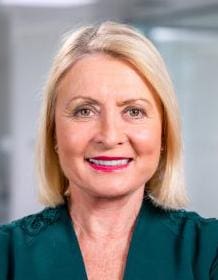 Sheila Flavell is COO of FDM Group. Sheila has over 30 years of experience in both the public and private IT sectors. Sheila was awarded a CBE in the 2020 New Year Honours List for services to gender equality in IT and graduate and returners’ employment.