FCPA
What is the FCPA? The abbreviation stands for the Foreign Corrupt Practices Act. The FCPA is a 1977 US amendment that focuses on provisions related to anti-bribery and transparency through corporate accounting transactions. The following FCPA articles are written by and for compliance and legal professionals and cover FCPA news, events, whitepapers, podcasts, and webinars and more.
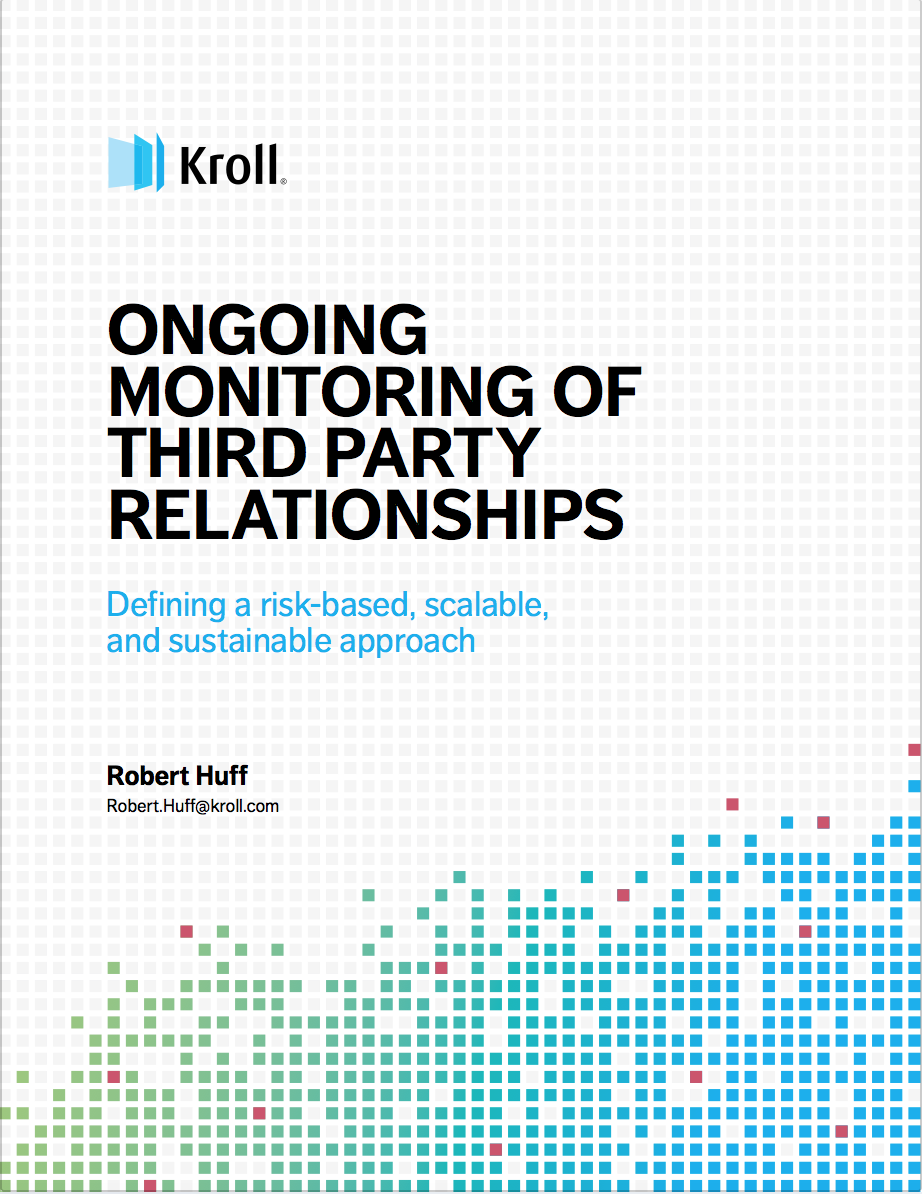
Ongoing Monitoring of Third Party Relations
Defining a Risk-Based, Scalable & Sustainable Approach As companies continue to globalize their business opportunities, they are exposed to an ever-widening environment of anti-bribery and anti-corruption regulations. Moreover, the enforcement of such laws is increasing; for example, 2016 was a record year in terms of the number of Foreign Corrupt Practices Act (FCPA) actions brought by U.S. regulators and the...

Cryptocurrencies: Instruments for Payments or Corruption?
Companies engaged in cross-border commerce are uncertain about how the use of Bitcoin and other cryptocurrencies may heighten the risk of noncompliance with the Foreign Corrupt Practices Act (FCPA) and other anti-fraud and corruption regulations. Consider what risks may arise and what controls might be needed to keep an aspiring but misguided employee from successfully executing a payoff without being...

Important Aspects of Mexico’s National Anti-Corruption System, Part 1
Organizations doing business in Mexico well do well to remain up to speed on the country’s National Anti-Corruption System (the SNA). Mexico remains one of the highest-risk jurisdictions in the Americas, an ignoble distinction it’s held for several years. The SNA is, therefore, a welcome development to organizations unwilling to participate in the corruption so prevalent in the region.

The Asia-Pacific Top 10 FCPA Enforcement Actions of 2016
An FCPA Year in Review The DOJ and SEC brought a record number of FCPA enforcement actions in 2016, and the Asia-Pacific region played a significant role in that milestone. Companies doing business in this region amassed nearly one-third of all FCPA enforcement actions. Wendy Wysong details 10 of the most significant ones here. By: Wendy Wysong and Montse Ferrer...

How Chile’s Recent Political Scandals Led to Reforms
A nation long known for its hard stance against corruption, Chile has been rocked by recent political scandals – a national embarrassment and the primary reason the public’s confidence in the government has taken a nosedive. Early in 2015, President Michelle Bachelet established a council to fight corruption, and the impact is already being seen.
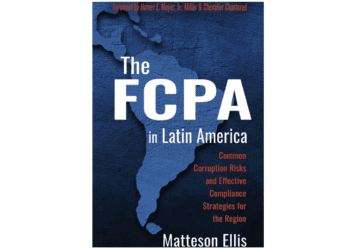
The FCPA in Latin America: Common Corruption Risks and Effective Compliance Strategies for the Region
Latin America is experiencing a historic anti-corruption wave as governments in the region bolster their local anti-corruption laws, prosecutors courageously pursue high-profile cases, and corrupt political and business leaders and unscrupulous companies find themselves on the defensive. The trend is seen in Brazil's monumental "Operation Car Wash" involving the region s largest company, Guatemala's jailing of its former President for...

6 FCPA Red Flags Missed by Key Energy in Mexico
It’s easy to see issues in retrospect, but in many cases involving FCPA enforcement actions, there are plenty of red flags along the way. Take, for instance, the recent action against Key Energy in Mexico: the company overlooked a number of risk indicia; $5 million in profit disgorgements later, and those compliance missteps without a doubt don’t appear quite so...

DOJ & SEC Raising the Stakes on Third-Party Risk Management
Many companies these days are implementing automated due diligence systems, and it’s no wonder why: the government’s expectations in terms of third-party risk management are on the rise. Unresolved red flags will be a problem, as will questionable data. The best way to avoid a DOJ or SEC enforcement action: a robust due diligence program.

DOJ Announces First Declinations After Implementing FCPA Pilot Program
Companies who conduct business in foreign markets and face concerns of foreign corruption may want to give more substantial consideration to the relative pros and cons of self-reporting a budding FCPA issue in an internal investigation. Two declinations and NPAs have been awarded to companies charged with bribery of Chinese officials. Read on for the details.
Rethinking FCPA Due Diligence in a Hyper-Transparent Environment
Stakeholders and customers are increasingly calling for transparency from corporations in how and with whom they’re doing business. As a result, third-party due diligence is increasingly critical. But the traditional tools for managing third-party risk no longer cut the mustard. Alison Taylor, Director of Advisory Services at BSR, is championing a more robust process for gauging corruption risk.
The FCPA and SOX & Internal Controls – Twin Sons of a Different Mother?
Both pieces of legislation aim to minimize wrongdoing – one to prevent corruption abroad, the other to minimize financial fraud. Both focus on robust internal controls as part of the solution. The FCPA lays the burden of managing internal controls on the organization as a whole, but under SOX, the duties clearly fall to the executive officers.

Why Your Company Should Have Zero Tolerance for Zero Tolerance
Zero-tolerance policies may sound good on paper, but there are endless examples of how zero-tolerance policies have been applied to absolutely absurd effect. Robert Zafft offers an alternative approach for corporate compliance programs – one that takes the focus off of severe penalties and instead stresses continuous improvement in processes and corporate culture.