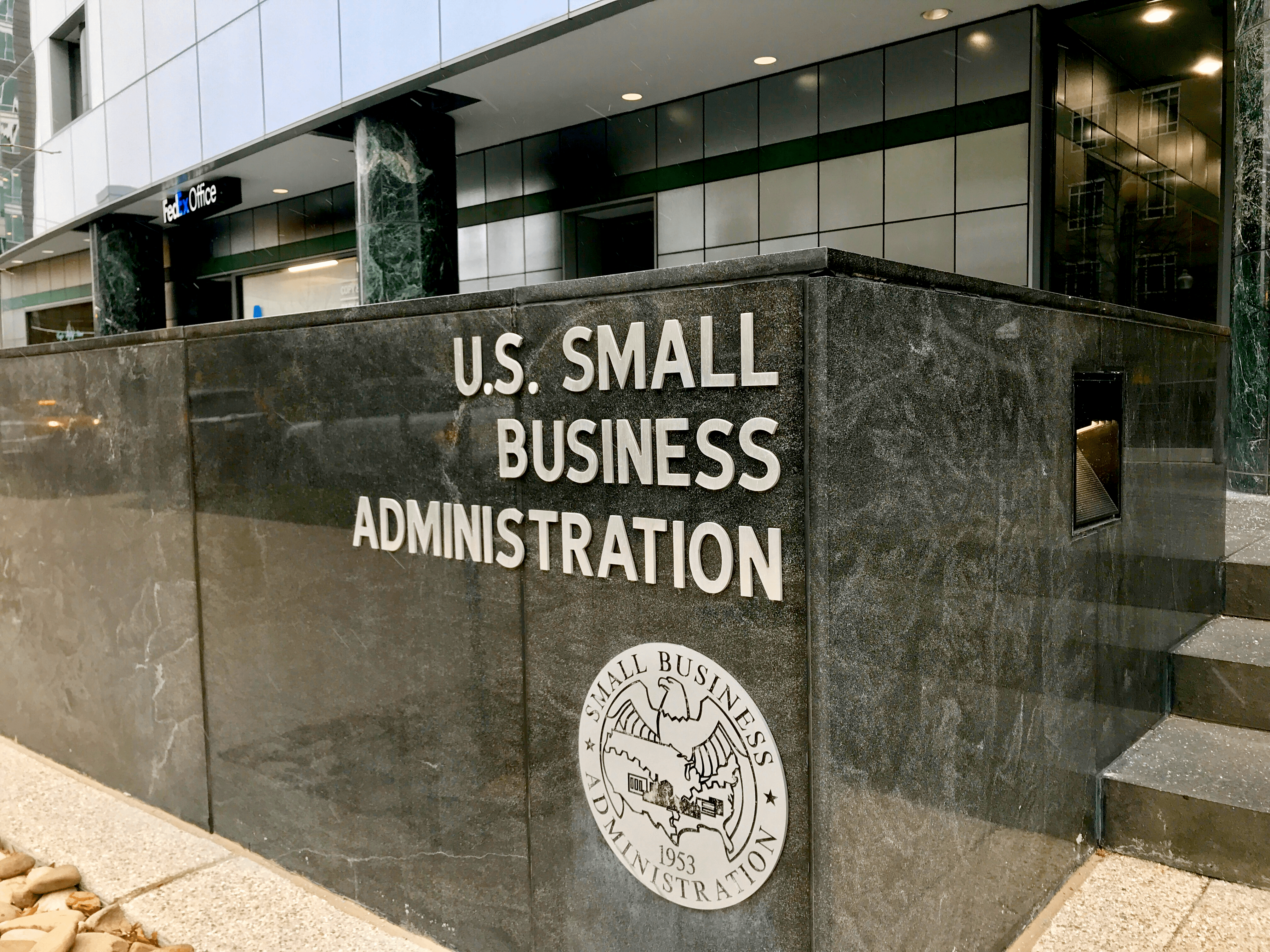
The Biden administration, in a March memo, estimated EIDL and PPP fraud has totaled $84 billion to date. Numerous federal entities and civil servants have been empowered to investigate. Organizations should expect an increase in enforcement and prepare accordingly.
On March 25, 2021, House Committee on Oversight and Reform Chairwoman Carolyn Maloney and the Select Subcommittee on the Coronavirus Crisis released a staff memo highlighting “new evidence” of the Trump Administration’s mismanagement of the Paycheck Protection Program (PPP) and Economic Injury Disaster Loan (EIDL) program. The committee memo, which recognizes that these programs played a crucial role in helping small businesses during the pandemic, estimates that up to $84 billion in potentially fraudulent loans were made due to the “refusal” to implement “basic program controls” or safeguards.
Recipients of EIDL loans account for the vast majority of this potentially fraudulent activity. The SBA Office of Inspector General (OIG) flagged $79 billion in potential fraud from this program. Potential PPP fraud, meanwhile, accounted for roughly $4.6 billion.
The memo highlights key steps the Biden-Harris Administration and Democrats in Congress have taken to address the risk of EIDL and PPP fraud. These steps include key program changes as well as investing an additional $142 million through the American Rescue Plan (ARP) legislation for federal watchdogs to root out fraud in these programs, including inspectors general, the Pandemic Response Accountability Committee (PRAC) and the Government Accountability Office. In addition, the president appointed former National Economic Council Director Gene Sperling to oversee implementation of the ARP and ensure funds are not diverted to fraud or waste.
The memo notes that interagency coordination has also improved, with the Department of Justice, the PRAC and other agencies launching a task force to root out fraud, and lists actions taken to date by the Select Committee with respect to oversight of these programs, foreshadowing that additional investigations are on the horizon.
Increase in Enforcement Measures in Response to Widespread EIDL and PPP Fraud
Enforcement actions have already been initiated in several states and the memo, in combination with enhanced interagency efforts, suggests that such enforcement measures, in the form of indictments, information filings and records requests, will likely increase in the remainder of 2021. On a national level, the cases involve a range of scenarios, including individual business owners who inflated their payroll expenses to obtain larger loans than they otherwise would have qualified for, fraudsters who revived dormant corporations and purchased shell companies with no actual operations to apply for multiple loans falsely stating they had significant payroll, and organized criminal networks submitting identical loan applications and supporting documents under the names of different companies.
Update on this Florida man who engaged in serious PPP fraud: Yesterday he was sentenced to more than six years in prison. https://t.co/IFqLNNiQgb
— Amara Omeokwe (@TheAmaraReport) May 13, 2021
In Florida, over the course of one month, the U.S. Attorney for the Southern District of Florida charged 18 federal criminal cases alleging CARES Act financial fraud, with dollar amounts totaling over $75 million. In one example, a tax preparation business was accused of submitting 118 PPP loan applications, all with falsified income and expense data, resulting in receipt of $975,582 in PPP loan funds. In another, a financial services business was charged with wire fraud, bank fraud and conspiracy to commit fraud, wherein the defendant filed falsified loan applications, received $17.6 million in PPP loans and distributed kickbacks to various co-conspirators.
Similarly, in Maryland, charges have been issued against a wide range of entities and individuals, including an automobile dealer, a church official and a pastor. Elsewhere, federal prosecutors have filed enforcement actions in the District of Columbia, Texas, Georgia and Louisiana, and State Attorneys General are also actively investigating PPP fraud under both state consumer protection laws and state False Claims Acts, which may carry large penalties beyond disgorgement and other enforcement measures.
Potential Independent Investigations
But law enforcement and agency enforcement will likely not be the whole story. The lack of confidence in the effort of the prior administration’s agency actions foreshadows potential independent investigative activity by the subcommittee. Generally speaking, Congress has broad authority to conduct necessary fact finding to inform the legislative process, and oversight and review of the legislative actions that enables the PPP loan program can be reasonably anticipated. This activity could take a number of forms. In many circumstances, such an inquiry begins with a voluntary request for records from private entities, which in this case would be those who may have received PPP loans or those financial institutions who serve as lenders.
These requests will likely see records falling into one of several categories, including those related to:
- finances,
- compliance,
- advocacy or communication efforts and
- impact on third parties.
In the PPP context, recipients can expect to see requests for more than just their loan applications. Inquiries are likely to include request for all financials, including audited financials for the last several years, as well as supporting and back-up documentation such as work papers and detailed account statements. Additionally, entities can expect to be asked to show how the money was used and also how other available money or independent revenue was used. Particularly, expect that Congress will seek details on capital expenditures, executive compensation and debt abatement.
Communication with lending institutions, as well as any communication with government agencies, may also be sought. In addition to actual loan applications, Congress will likely want to see any follow-on requests lenders made and what was submitted in response to those requests. Lastly, data and records regarding the impact on personnel – hiring, layoffs, furloughs and pay reductions – will likely be of interest.
How to Respond to Investigation Requests
While these requests may be voluntary in nature, they should not be ignored; they should be responded to as quickly and appropriately as possible. Obviously, some requests may need to be narrowed or negotiated, but that should be addressed by counsel with the responsible congressional staff members. The request will likely include a deadline, but that should also be considered carefully and discussed with staff if an extension is needed. In addition to these voluntary requests, the members or staff may seek to conduct informal or formal interviews with employees or officers. Furthermore, under appropriate rules, the House may issue subpoenas for documents or testimony at a formal hearing when appropriate.
As with past large government relief programs, changes in administration and pending contentious mid-term elections, all participants in the CARES Act and related programs should expect and be prepared for oversight by the government. This most recent memo suggests that expectation should include more than routine inquiries by the responsible oversight agencies.
Like this? Get more! Sign up now for CCI’s free weekly eBlast of governance, compliance & risk news.

 Aldo M. Leiva is of counsel with
  Jennifer M. Summa, a senior advisor for Baker Donelson in Washington, D.C., provides clients with strategic policy advice and counsel on matters related to health care.
 Thomas H. Barnard is a shareholder in the firm’s Baltimore office. He is a former Assistant United States Attorney, military prosecutor and military defense counsel with more than 20 years of government experience.