This story is developing and may be updated.
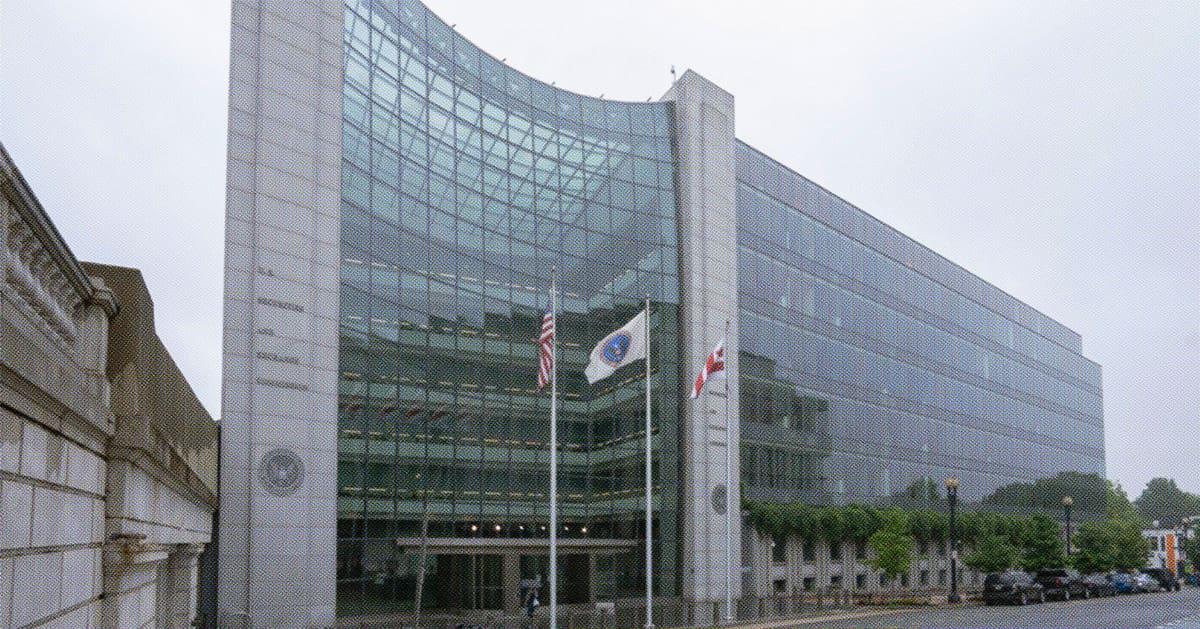
As many had expected since Donald Trump won back the White House in 2024, the SEC moved Friday to begin the process to formally rescind Biden-era rules mandating certain US-listed companies report greenhouse gas (GHG) emissions.
The rules never effectively applied, as just a month after they were published in their final form, the SEC, under then-Chair Gary Gensler, stayed them amid a legal battle. Then after Trump started his second term, in March 2025, the commission voted to end its defense of the rules, further rendering them void.
In its announcement Friday, the SEC said the rules exceeded the commission’s statutory authority. They would have required some entities to disclose details about climate-related risks, strategies and governance, and for a smaller number, would have obligated them to report material Scope 1 and Scope 2 GHG emissions. As proposed in 2022, the original rules also would have required disclosure of Scope 3 emissions, but that plank was removed from the final rule adopted in March 2024. The final rule also exempted many types of companies from having to report emissions altogether.
In a statement, Atkins said, “SEC disclosure obligations should comply with the commission’s statutory authority, be guided by materiality as the North Star, avoid the practical effect of dictating corporate behavior and be imposed only when the expected benefits justify the likely costs and burdens.”
Indeed, cost estimates for the original rules were high. One analysis suggested annual costs would have exceeded $6 billion, or more than double registrants’ previous total SEC regulatory compliance spend.
While companies were never really on the hook for SEC-mandated reporting, many for whom the SEC’s rules would have applied may also be covered by one or more sets of ESG-reporting rules, both at the state level in the US and extending throughout much of the rest of the world, including the EU.