
Congressional testimony is a Q&A free-for-all where both sides try to create sound bites for media consumption, making messaging critical to survival. Holland & Knight’s Dan Small and Christopher Armstrong continue their series by explaining the audience gap: The questioner has already determined what they believe the answers to be.
This is the second of a three-part series. Read Part I: Preparation.
In the first article in this three-part series, we talked about the first pillar of successful congressional testimony, preparation. Now, let’s turn to the second pillar: message. Remember, this is not an intellectual discourse. It’s a Q&A free-for-all, with both sides trying to put out their message and create sound bites negative to the other side for media and public consumption.
There’s a wonderful quote about message from the novelist Paul Theroux. He said, “Television needs excitement. It needs an angle. It needs a sound bite.” And that’s what this is all about. In part, this is theater, not a quiet discussion. It’s a matter of who can generate the best and worst sound bites. That’s what you have to prepare for.
You have to prepare your core themes or home bases, as we call them. We call them home bases because going back to the child’s game of tag, there was always something — a tree, a fire hydrant, a lamp post — that was home base, and if you were touching it, you were always safe at home. So, in every case, we need to develop short, clear, powerful home bases that the witness can always go back to if they’re stuck or if they just need a comfortable spot.
Get comfortable with repetition
Developing your message requires you to understand and accept what we call the audience gap. We like to sit around the table, whether it’s a conference table or a dinner table. When you gather around the table with people and someone asks you a question, you know that they’re the audience. They’re the one interested in the answer. They’re the one to whom you direct your answer, and you hope that they will listen, consider it and at least accept your position.
In this bizarre witness environment, maybe for the first time in your life, everything changes. The questioner is not the audience. You’re not going to convince that questioner of anything. They have most likely already determined what they believe the true answers to be. They’ve been prepped by their staff. They’re firm in their beliefs. They’re ready to rumble. They’re not necessarily ready to listen.
As a result, your answers are not really directed to the questioner. Superficially, they are in terms of appearance, but in truth, that’s not who you’re talking to. You’re talking to the TV screen, you’re talking to your own many constituencies, you’re talking to the political world out there. The questioner is not the audience. Don’t argue, don’t try to persuade, don’t get angry or frustrated, none of that is worth it. They’re not the audience. They are simply the vehicle by which a question is being delivered for you to articulate your message.
So, think about the audiences you care about. There are probably several. The media and the public, of course. But you have others, all the different constituencies we all answer to. What do they all need to hear from you, in response to the tough questions or the political questions? What is the language you should use and the language you should avoid? What works? What persuades? For one, not a long discourse: Boil it down to short, clear, powerful statements that deliver your message. Develop them with counsel, write them down, challenge them, test them. Then, and only then, practice them in Q&A form. Over and over. They are, as we said, your home bases for a wide range of questions. No matter how often you’ve given a core theme, give it again.

Congressional Testimony Part I: Get on the Bicycle
The first of three pillars: intensive preparation through uninterrupted dry runs, breaking down answers and doing it again until you are ready
Read moreDetailsRepetition is endemic to this process. There’s always repetition, for many reasons. Sometimes the questioner just didn’t like the answer you gave before. Sometimes they’ve lost their place. Sometimes it’s a different person asking similar questions. It doesn’t matter how it happens, it just happens.
The point is, no one cares. If you gave a really good answer to a question the first time, you have to give just as good an answer the second time — or guess what’s going to happen. No one’s ever going to see your first answer. They’re going to bury it and broadcast your poorer, second answer to the high heavens. So, treat each question as if it were the first one. Give the best answer you can, every time the question is asked.
Your core themes are your true north. They will help guide you safely through this strange process so that you can deliver your message. This can’t happen without a lot of work and not without the third pillar of successful congressional testimony, which we’ll discuss in the next article, discipline.

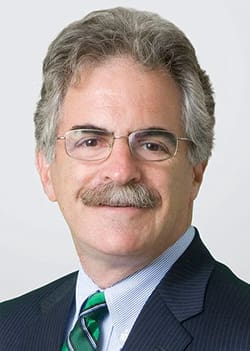 Dan Small
 Christopher Armstrong