Risk
Risk refers to threats an organization faces -- loss of earnings, loss of reputation, or harm of any kind. These articles explore the challenges of preventing, identifying and mitigating risk.
Risk can come in many forms, including financial issues, legal liabilities, strategic or leadership errors, or accidents and natural disasters. Today, IT- and data-related risks are growing concerns.
The following articles about risk look at the issue from many angles, especially from that of compliance officers and risk managers.

Best of 2016: 5 Common Risk Management Failures
It’s easy to identify in hindsight where risk management failed, and taking a look at past ERM failures can actually provide great insight into what went wrong and why. Jim DeLoach offers insight into some of the lapses in risk management companies experience most frequently – along with indicators you can be on the lookout for to keep your organization...
Is Our Risk Management Mature?
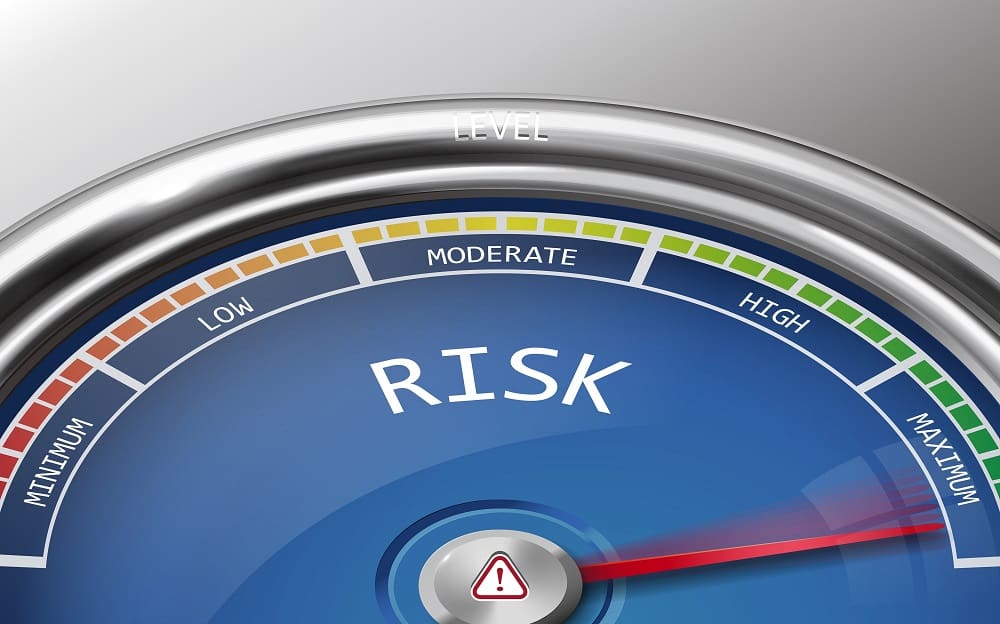
Organizations seeking to improve the risk management function must consider the maturity of its ERM infrastructure. Jim DeLoach writes that there are five levels of maturity – and there’s an ocean of distance between an ERM program in its infancy and one that’s operating at the highest level of capability. Where does your organization fall along the spectrum?

CCOs Cannot Ignore C-Suite Risks
We’ve seen many corporate scandals this year, and time and again, misconduct is trickling down from the top of the org chart. Risks can come in many forms, but when the chief culprit is in the C-Suite, the organization can be in real trouble. Michael Volkov explains why Chief Compliance Officers should pay special attention to executives and the board.
Understanding Reputation Risk: The Qualitative and Quantitative Imperative
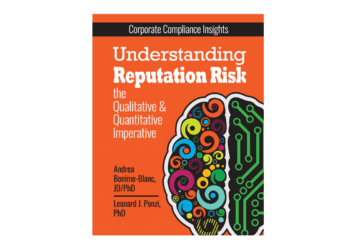
Authors Andrea-Bonime-Blanc, JD/PhD and Leonard J. Ponzi, PhD Offer Dual Approach to Understanding Reputation Risk Major surveys in recent years have found that executives and board members ranked reputation risk not only as a top concern – but also as a strategic risk that could have significant impact on an organization’s overall wellbeing. In Understanding Reputation Risk: The Qualitative and...

12 Reasons Risk Management Fails
Inappropriate risk management implementation leads to project failure; this article discusses the major reasons and possible solutions associated with those failures. Preventing ERM failures involves adopting an internationally recognized standard such as ISO 31000, which is built on the most relevant best-practice scenarios from organizations worldwide and is general enough to reduce or eliminate bias.

Airport Security and Safety
How to Protect Your Employees The tragic terrorist attacks in Brussels and Istanbul earlier this year have raised many questions and concerns from organizations with traveling employees. Employers must be prepared for the worst and know how to keep staff safe in the event of an airport crisis. Jim Hutton provides guidance, including best practices for situational awareness, proactive crisis...

Why a Resilient Risk Management and Internal Control Infrastructure Matters
It’s critical that businesses maintain a strong risk management and internal control infrastructure. Adi Agrawal, SVP and Chief Audit Executive at OCC, shares how and why his company uses the “three lines of defense” model. The benefits extend well beyond protecting the company from litigation and reputational harm; in fact, its resiliency is in the best interest of the greater...

DOJ & SEC Raising the Stakes on Third-Party Risk Management
Many companies these days are implementing automated due diligence systems, and it’s no wonder why: the government’s expectations in terms of third-party risk management are on the rise. Unresolved red flags will be a problem, as will questionable data. The best way to avoid a DOJ or SEC enforcement action: a robust due diligence program.

Why Improve Risk Management?
Enhancing any key business function is a wise decision, but risk management is particularly critical. Driving continuous improvement there could make your organization more agile and better prepared to manage surprises. And it could position the firm as an industry pacesetter. Jim DeLoach makes a strong case for improving enterprise risk management.
Positioning Your Business as an Early Mover
All kinds of businesses and industries are experiencing disruptive change due to innovation. The companies that adapt quickly may become industry leaders, but the “late movers,” those that are slow to respond, may not survive. Jim deLoach outlines the attributes of “early movers” and explains why these firms are best positioned to weather market shifts.
Why Model Risk Matters
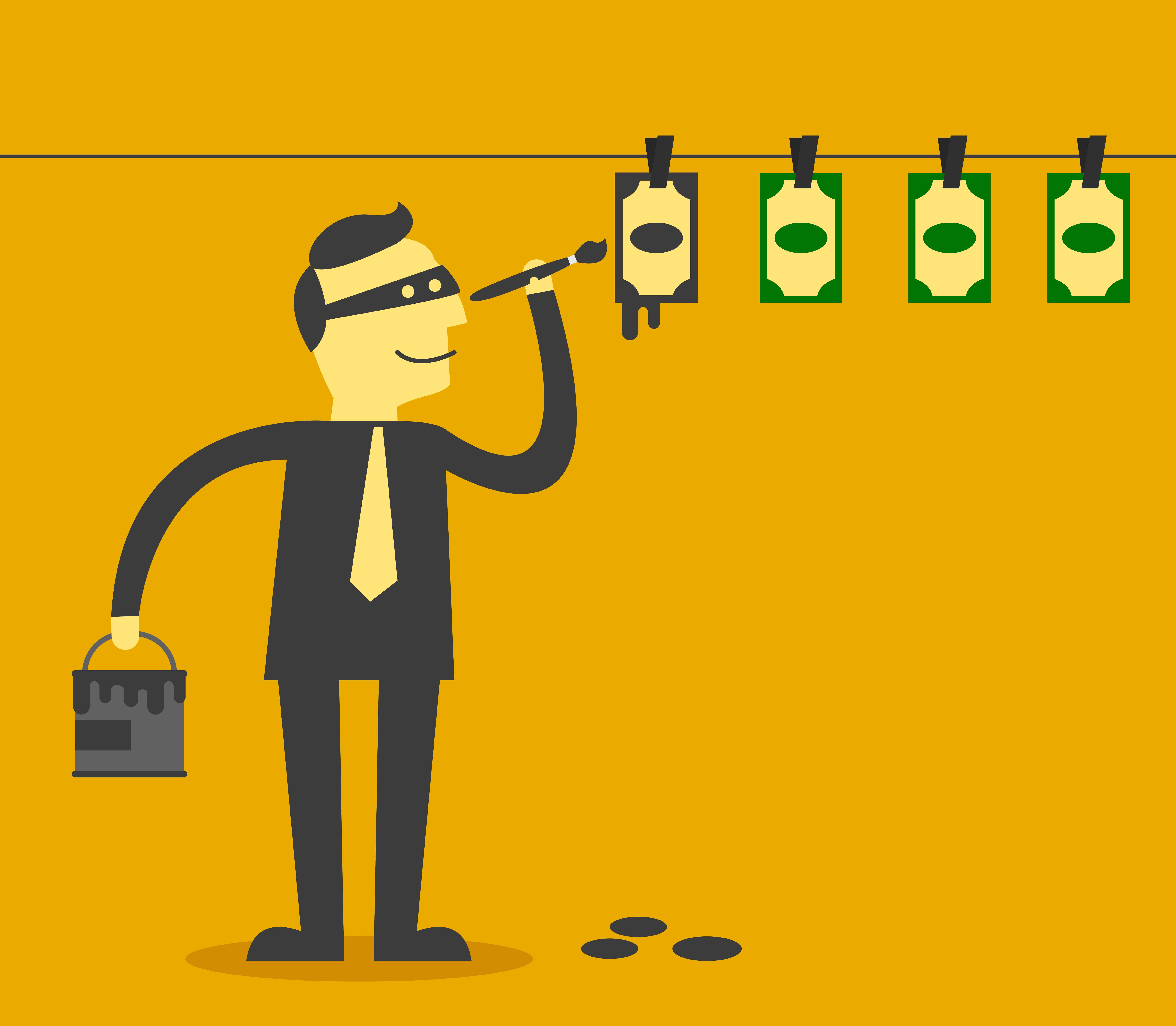
Newspaper headlines blasting the news of major losses for a financial institution due to modeling error have become commonplace. Users must ensure that the models they rely upon are appropriately built and yield useful results, and for more than just regulatory compliance. Good models reduce losses and enhance decision-making.

Cognitive Risk Framework for Cybersecurity, Part 2
In today’s risk landscape, corporations must rethink the way they manage cybersecurity and combat cyber threats. James Bone, a leading expert in regulatory compliance risk, expects the Cognitive Risk Framework for Cybersecurity (CRFC) to become part of a broader approach to managing risk – and soon. Here, he details the key components to a CRFC.