Compliance

“Compliance Officer” vs. “Integrity Officer”
It may come as a surprise, but “ethics” has a negative connotation for many in a business context. Similarly, the compliance profession is often viewed negatively, as impinging on employees’ freedom. But those of us on the inside have an entirely different perspective, thinking of compliance as synonymous with integrity. Is it time, then, to rebrand the profession?
The 2 Most Important Words in a Compliance Dictionary
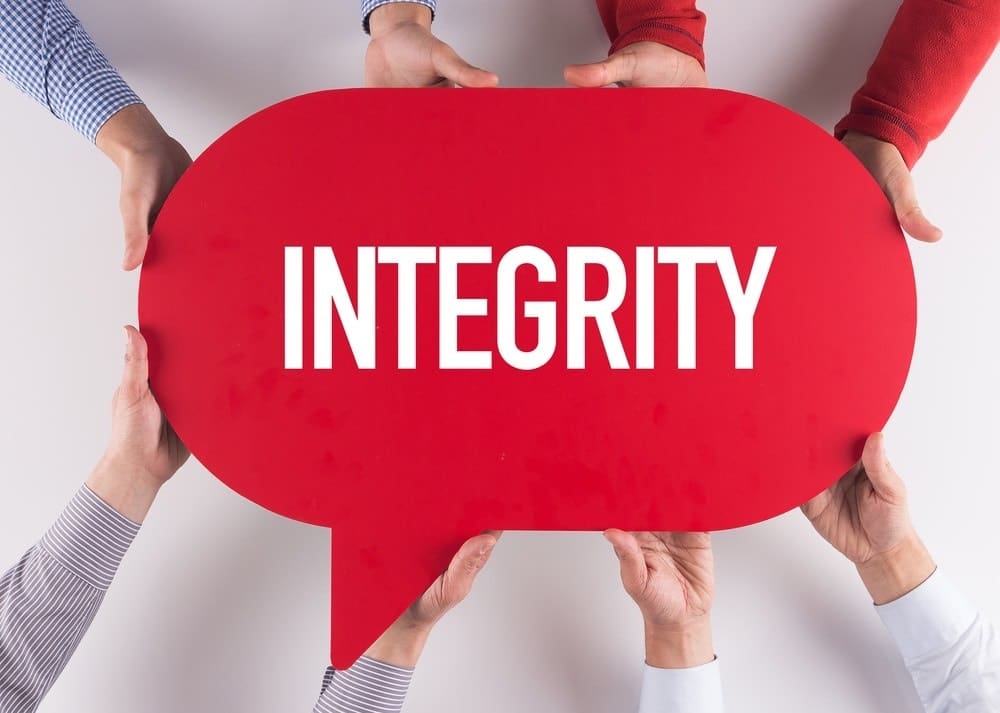
The foundation of an ethical culture is trust and integrity. Employees are proud to work for organizations that prize trust and integrity. When senior leaders act in ways that are contrary to these values, employees’ belief in the company’s integrity plummets. The importance of tone at the top can’t be underestimated; failings in this regard are disastrous.

ISO 37001: Anti-Bribery Management Systems
ISO 37001 specifies requirements and provides guidance for establishing, implementing, maintaining, reviewing and improving an anti-bribery management system. There is, of course, good cause for businesses in India to adopt the new standard, but it’s likely that there will be some staunch opposition to the change.

5 Compliance Benefits of Modernizing Legacy Business Applications
A common discussion taking place across all enterprises today is the need for digital transformation, a change from legacy to digital processes and procedures. While many of the benefits of modernization relate to improvements in efficiency and productivity, there are several core compliance benefits, as well.

Developing Engaging Compliance Training
Compliance training is met with moans and groans by employees. It is always seen as a necessary evil. But does it have to be viewed that way? Compliance training expert Ayesha Omer knows better: there are plenty of ways to make it more purposeful and engaging. Read on for tips and strategies to do away with boring compliance training.

Why Compliance Officers Need Independence
“Collaboration, not Subordination” Captive compliance programs are hamstrung programs. Compliance officers who enjoy independence and are able to collaborate with legal, HR and other key business teams… they’ll be far more effective. We’ve long discussed the need for compliance officers to have a seat at the table. It’s time for businesses to graduate to Compliance 2.0. By: Donna Boehme I...

Hiding Behind the Privilege
Chief Compliance Officers come up against some formidable challenges. Without robust attorney-client privilege, unearthing compliance violations in the course of internal investigations could be one of them. Herein lies the perfect opportunity for a CCO/Chief Legal Officer partnership.

Best of 2016: Money Laundering Schemes in Real Estate
Real estate is one of most attractive sectors for criminals to launder dirty money due to the ease of entering and exiting the market, as well as weak regulations in the industry. This article highlights the most common schemes criminals use to launder ill-gotten money.

Compliance Roundup for 2016
AML expert Ahmed Taimour regularly shares updates on developments in compliance from around the world. This month, we take a look back at some of the most significant news in the last 12 months.

Attorney-Client Privilege in WA No Longer Applies When Employment Ends
A recent Washington state Supreme Court adopted a rarely affirmed position and held that attorney-client privilege does not extend to postemployment communications between former employees and counsel representing the former employer. This ruling would impact counsel responsible for conducting internal investigations and could restrict their ability to interview their clients’ former employees.

CCOs Cannot Ignore C-Suite Risks
We’ve seen many corporate scandals this year, and time and again, misconduct is trickling down from the top of the org chart. Risks can come in many forms, but when the chief culprit is in the C-Suite, the organization can be in real trouble. Michael Volkov explains why Chief Compliance Officers should pay special attention to executives and the board.

Wells Fargo Complaints Show Flaws in Federal Whistleblower Program
In the wake of the Wells Fargo scandal related to the creation of millions of unauthorized accounts, government records revealed that former employees-turned-whistleblowers contacted the federal agency tasked with investigating whistleblower complaints as early as 2009, once again raising questions of how federal agencies can better protect whistleblowers.