Compliance

Navigating KYC in the Nordics, Part 1
Under the Regulatory Microscope Faced with increased regulatory demands and scrutiny in the midst of heightened regulatory enforcement, Nordic banks need to take a hard look at their AML/KYC systems and embrace a digital transformation approach to compliance. Fenergo’s Laura Glynn, Director of Regulatory Compliance, discusses. Over the last 10 years and since the onset of the global financial crisis,...

Cryptocurrency Challenges and Opportunities
Bitcoin and other cryptocurrencies continue to gain ground as investors buy in, looking for high returns, and as acceptance of it as payment takes hold. However, with such growth come risks and challenges that fall firmly under the compliance umbrella and must be addressed in a proactive, rather than reactive, manner. Cryptocurrency Challenges One of the greatest challenges faced by...

The Power of Whistleblowers in the Modern Age
Lessons Learned from the Trenches The #MeToo and #TimesUpNow social media campaigns sparked a movement to expose intimidating behavior and sexual assault in the workplace. Because of the resulting paradigm shift, harassed employees are empowered to speak up about wrongdoings. Corporate investigators Amy Conway-Hatcher and Bridget Moore discuss the need for corporations to re-evaluate their whistleblower reporting programs, assess current...

Supreme Court Tightens Whistleblower Protections
But Will it Change Anything? The Supreme Court recently narrowed the Dodd-Frank whistleblower definition and excluded from protection employees who do not take their complaints to the SEC. It is impossible to know at this point what effect the case will have on the number of whistleblower actions, both because the decision is new and because there are numerous other...
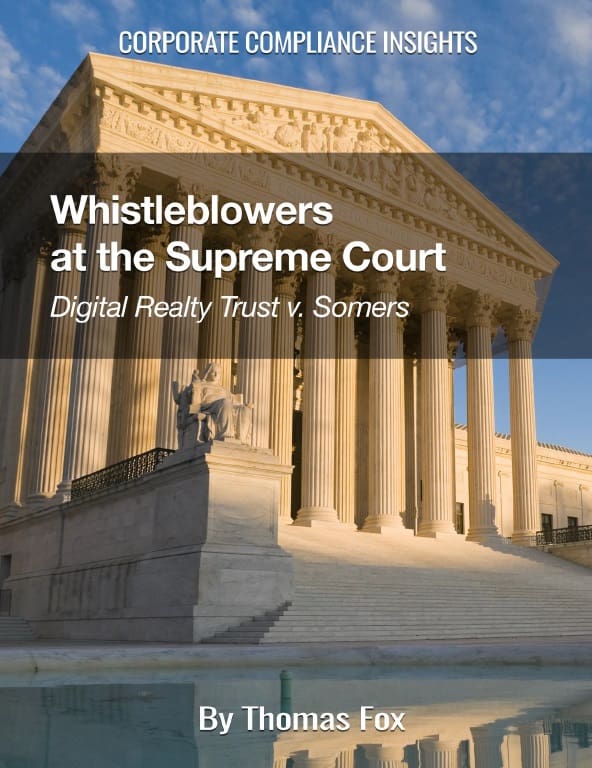
Whistleblowers at the Supreme Court: Digital Realty Trust v. Somers
Last month, the U.S. Supreme Court issued a decision in the Digital Realty Trust v. Somers case, a closely watched case in the compliance community. Tom Fox reviews the Court's decision and considers the effect of the decision on a host of actors, including CCOs, compliance practitioners, compliance programs, corporate America and the SEC itself.
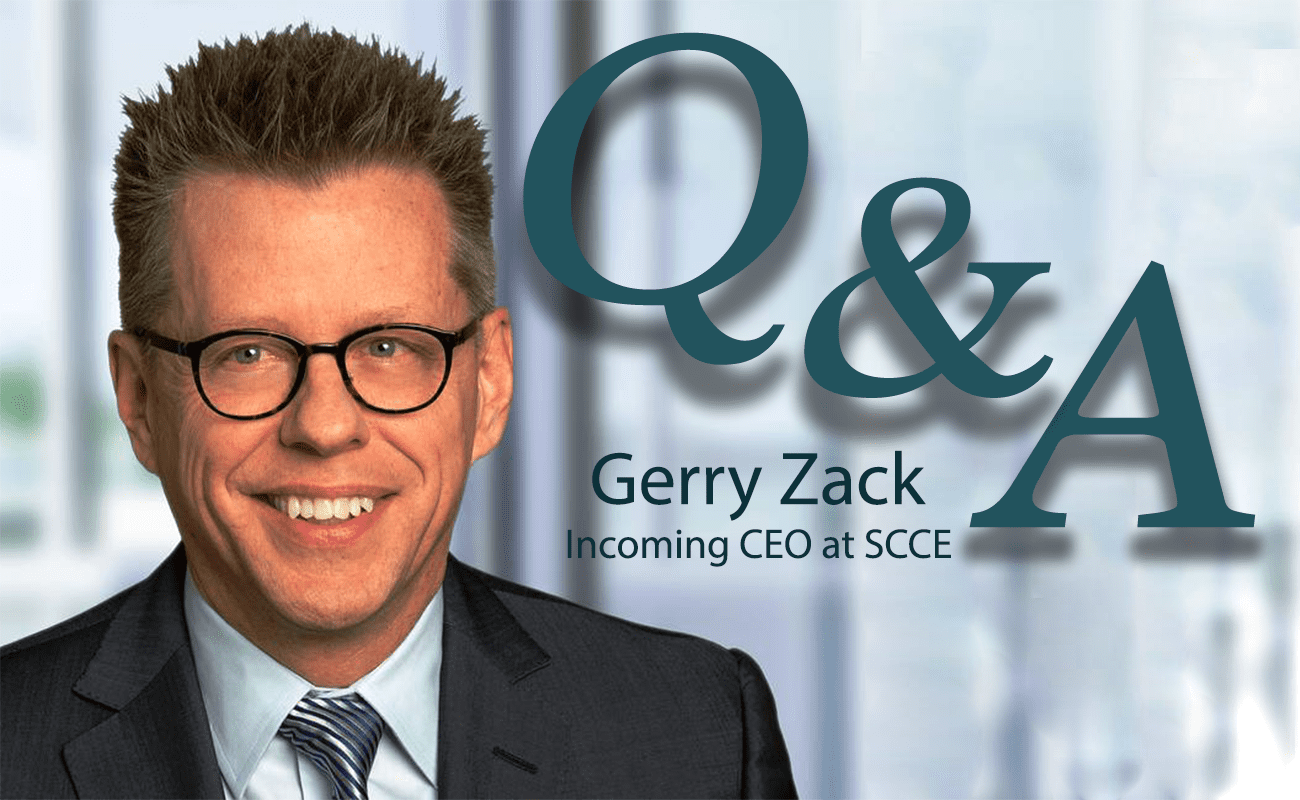
Forensics, Unpredictable Enforcement and the Increasing Pace of Change
Q&A with Gerry Zack, Incoming CEO of SCCE Today we are pleased to share an interview between CCI’s Founder, CEO and Publisher, Maurice Gilbert and incoming CEO of the Society of Corporate Compliance and Ethics (SCCE). Gerry Zack is a compliance and anti-fraud expert and author, specializing in the prevention, detection and investigation of fraud, noncompliance and corruption. Maurice Gilbert: What...
Validating AML Models Under the NYDFS Part 504 AML Requirement
Enhancements Needed to Address Deficiencies April is fast approaching, and with it comes the deadline for certification with the New York State Department of Financial Services (NYDFS) Part 504 rule. The requirements pose considerable challenges for financial institutions, and any regulated institution that fails to detect or report suspicious money laundering transactions may be found to be deficient and in...

The Real Return on Risk and Compliance Technologies
The Value of Big Data A crucial shift is underway in the financial services industry when it comes to regulatory compliance; cultures are changing, and new value is being created for banks and their customers because of AI technology. Grace Brasington of Watson Financial Services discusses the role technology can play in bank’s business and regulatory successes. When it comes...

5 Security and Compliance Trends to Watch in 2018
Putting Plans Into Effect As tech evolves, so too does the compliance landscape, and keeping up can prove quite the challenge for many businesses. Here, we share trends and predictions from Anthony West, CTO at Actiance and an expert in electronic communications compliance. While 2017 was spent frantically preparing for regulations like MiFID II and GDPR, 2018 looks to be...

4 Risks that Keep Your CIO Up at Night
How Compliance Can Help Effective business continuity planning starts with honest assessments of risk areas, plus resolve, resources and funding to address those risks. For the past 10 years, we’ve conducted primary research on business continuity and resilience, focusing specifically on IT systems, given their essential role to the functioning of today’s enterprises. A decade of research into business continuity...

Economic Sanctions Compliance in the Age of Blockchain
4 Considerations to Mitigate Risk Among the chief concerns of those using blockchain (and its critics) is the lack of transparency. Currently, users can unwittingly violate OFAC sanctions, among other regulations. Clifford Chance’s Wendy Wysong and Ali Burney explore how businesses can guard against the risks inherent in using blockchain technology. with co-author Ali Burney Blockchain, the technology that underpins...

7 Tips to Evaluate In-House Investigations
How Effective and Efficient is Your Process? In-house investigation teams are expected to be agile to be able to help organizations in addressing cases that come from whistleblowing channels and sustaining the ethical standards of the organization. By supporting your investigation teams with measures to assess effectiveness and efficiency you can help make the teams more agile and enable them...