When USAID imposed a funding freeze, contractors faced an impossible situation under FAR and AIDAR requirements: They were prohibited from incurring costs without funding but still required to maintain operational readiness unless formally issued stop-work orders. Contracts and compliance professional Oksana Zolotova explores how the crisis became a governance stress test, demonstrating that many organizations lacked robust termination procedures, tested contingency budgets or established protocols, forcing local offices to navigate conflicting instructions while attempting to reconcile halted disbursements with ongoing contractual obligations.
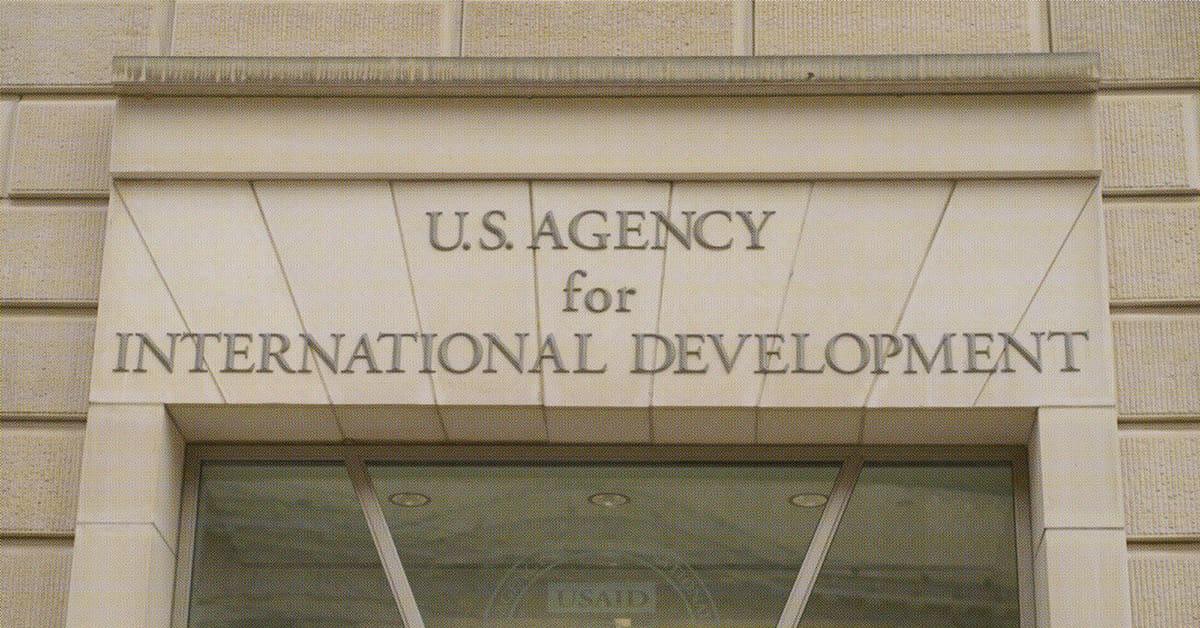
The funding freeze this year at the US Agency for International Development (USAID) shook the international development sector to its core. What appeared to be a temporary policy decision in Washington quickly evolved into a global operational crisis, revealing how fragile compliance and contract management systems can be under sudden fiscal pressure. By late March 2025, an analysis by Devex indicated over 5,300 USAID awards had been terminated, representing more than 80% of the portfolio under review.
While the headlines focused on the politics, the real story unfolded quietly within implementing partners, government contractors and non-governmental organizations (NGOs), where compliance officers, contracts managers and project leaders scrambled to reconcile halted disbursements, frozen pipelines and client silence with their ongoing contractual obligations.
Many found themselves navigating the tension between performance requirements and the prohibition on incurring costs without funding, a tension that exposed the limits of preparedness across the industry.
A perfect mix of contractual and operational risk
When a client imposes a funding pause, the legal framework governing contractors and recipients offers little room for improvisation. Under the Federal Acquisition Regulation (FAR) and the USAID Acquisition Regulation (AIDAR), most awards require continued performance unless the contracting officer issues a formal stop-work order or termination under FAR Part 49. Yet when disbursements are frozen, contractors cannot legally incur new costs without risking disallowance.
Thousands of awards were placed in stop-work orders and subsequently terminated. The Center for Global Development estimated that 5,346 out of 6,193 had been terminated through Aug. 1. For those that include overseas project offices, such funding freezes and especially subsequent stop-work orders, created an impossible situation: Companies were prohibited from incurring costs but still were required to maintain operational readiness. Decisions had to be made whether to maintain offices, leases and staff or to begin the close out process. This created significant exposure for implementing partners, especially those managing multi-country projects with complex cost structures and local subcontractors.
During the freeze, many organizations discovered that they lacked robust termination-for-convenience procedures, strong subcontracting language or tested contingency budgets. The absence of established procedures or written protocols meant that local offices received conflicting instructions, often unsure whether to continue limited operations or suspend entirely. What emerged was not just a funding crisis but a governance stress test, and, unfortunately, many institutions failed it.

Why Contract Management Is No Longer Legal’s Problem
As companies eliminate dedicated legal departments, contract ownership is shifting to teams that view agreements as business processes, not just legal documents
Read moreDetailsThe compliance fallout: Governance under stress
The immediate compliance concern was financial: ensuring all costs incurred during suspension remained allowable, allocable and reasonable. Yet the underlying issue was deeper: a test of organizational governance and the maturity of compliance architecture.
Organizations that maintained strong internal controls, integrated finance and compliance systems and real-time contract visibility managed the crisis more effectively. Those that invested early in structured data and digital oversight tools were able to respond to USAID requests for expenditure reports, justify continuing costs, and negotiate termination settlements from a position of confidence. Devex identified 20 US contractors that each lost more than $100 million in planned funds due to terminations. Public WARN logs and press reports show hundreds of US layoffs at largest implementers:
Others were far less prepared. Manual processes, disjointed accounting systems and informal communication with missions led to inconsistent interpretations of allowability rules. In several cases, organizations had to perform retroactive reconciliations months later, discovering unapproved commitments, unverified subcontractor charges or incomplete property disposition logs. As of now, there is no authoritative, published list of implementers that have filed Chapter 7/11 tied to the freeze. Public reporting documents layoffs, furloughs and cash-flow strain; confirmed bankruptcy petitions specifically attributing causality remain scarce in open sources, with only a few cases publicly posted.
The freeze and subsequent contract terminations laid bare an uncomfortable truth: In too many organizations, compliance remains reactive, treated as a checklist rather than a strategic discipline. Crisis management revealed the gap between formal compliance policies and real operational readiness.
Ethical leadership in times of uncertainty
Beyond the technical issues of FAR clauses and audit trails, the funding pause was also a test of ethical leadership. It forced organizations to confront hard questions about how to protect staff, honor local commitments and communicate transparently when they did not have all the answers.
In Bamako, Nairobi and Port-au-Prince, project teams faced weeks of uncertainty about whether their salaries would continue or their offices would close. Some organizations handled this with empathy, timely updates and legal clarity. Others, fearing liability, went silent. Independent sources confirm the rapid cadence, from the Jan. 20 executive order to subsequent mass terminations, and extended timelines of lawsuits and pushback, highlighting the periods when field teams faced prolonged uncertainty.
Ethical compliance leadership in development goes beyond rule interpretation. It involves preserving trust, fairness and transparency even when resources dry up and answers are still waited for. That includes communicating early and truthfully with staff about potential terminations, ensuring compliance with host-country labor laws and documenting severance and closeout costs for allowability.
Equally important is protecting reputation. Abrupt program exits can damage local credibility and USAID’s long-term influence. Senior leaders must weigh not only contractual exposure but also the ethical consequences of withdrawal. How an organization handles a funding freeze often becomes a defining moment for its culture and credibility.
Lessons learned: Building compliance resilience
Several lessons from this unprecedented experience can guide the community as it prepares for future potential disruptions:
- Integrate compliance and contracts from the start. Compliance must not begin post-award. During proposal and negotiation, organizations should anticipate potential funding delays and negotiate clear suspension, termination and cost control clauses into the awards and subcontracts. This foresight saves millions when crises occur.
- Develop rapid-response protocols. Every implementer should maintain preapproved templates for client notifications, workforce communications and stop-work procedures. Legal opinions on cost allowability and pre-drafted budget models for various suspension scenarios should be ready to deploy.
- Modernize contract lifecycle management and cost monitoring. Real-time visibility into obligations, burn rates and subcontractor exposure can make the difference. Digital CLM systems, properly governed and integrated with finance, allow compliance and project teams to track commitments, flag risk and respond immediately to funding changes.
- Train leadership in crisis contracting. Technical and project managers often lack familiarity with the nuances of federal termination clauses. It is necessary to train staff on “stop-work” versus “termination for convenience” procedures and requirements.
- Engage transparently with clients. Silence is the enemy of compliance. Proactive, fact-based communication with client contracting and agreement officers strengthens trust and allows flexibility.
- Document everything. Every instruction, conversation and cost decision during a funding freeze should be contemporaneously documented. These records form the foundation for termination settlements, audits and post-crisis accountability.
Turning disruption into reform
This historical event should serve as a catalyst for reform across the sector or serve as a lessons learned for every contractor. The organizations that treat it merely as a temporary setback will repeat the same mistakes in the next crisis. The ones that treat it as a learning opportunity will emerge stronger.
True resilience in compliance means building systems that can absorb shocks without compromising integrity or mission delivery. That includes aligning compliance, contracts and finance under an aligned governance framework, investing in data-driven oversight and ensuring that ethical decision-making is embedded in every response plan.
Compliance professionals should seize this moment to reframe their role, not as enforcers but as strategic partners in organizational continuity.
Ultimately, the USAID funding freeze was more than a budgetary interruption; it was a wake-up call. It challenged organizations to prove that compliance is not just bureaucracy. Those who integrate resilience, transparency and accountability into their compliance architecture will not just survive the next funding crisis. They will set the standard for ethical, adaptive international development.

 Oksana Zolotova, CCEP-I, CFCM, is a contracts and compliance leader with more than a decade of experience leading regulatory, contractual and ethics programs across US government, commercial, pharmaceutical and international development sectors. She has designed and led global compliance frameworks, FAR- and AIDAR-compliant contract management systems and risk mitigation initiatives for complex, multi-country programs within global organizations.