A September immigration raid at a Hyundai-affiliated construction site in Georgia resulted in more than 400 arrests and delayed the plant’s opening for months, revealing how enforcement actions can cause severe operational, reputational and legal consequences beyond I-9 form accuracy. John Connolly of Guidepost Solutions examines why businesses must move from reactive compliance to proactive risk management by conducting annual internal audits, establishing protocols for handling unannounced government visits and designating compliance response teams before enforcement scenarios occur.
Nothing is more damaging to an employer, whether a small business or a Fortune 500 company, than operational disruptions. From unexpected absences to labor actions or technical failures, these events can derail productivity and profitability. For employers that have faced immigration enforcement actions, the impact is even more severe.
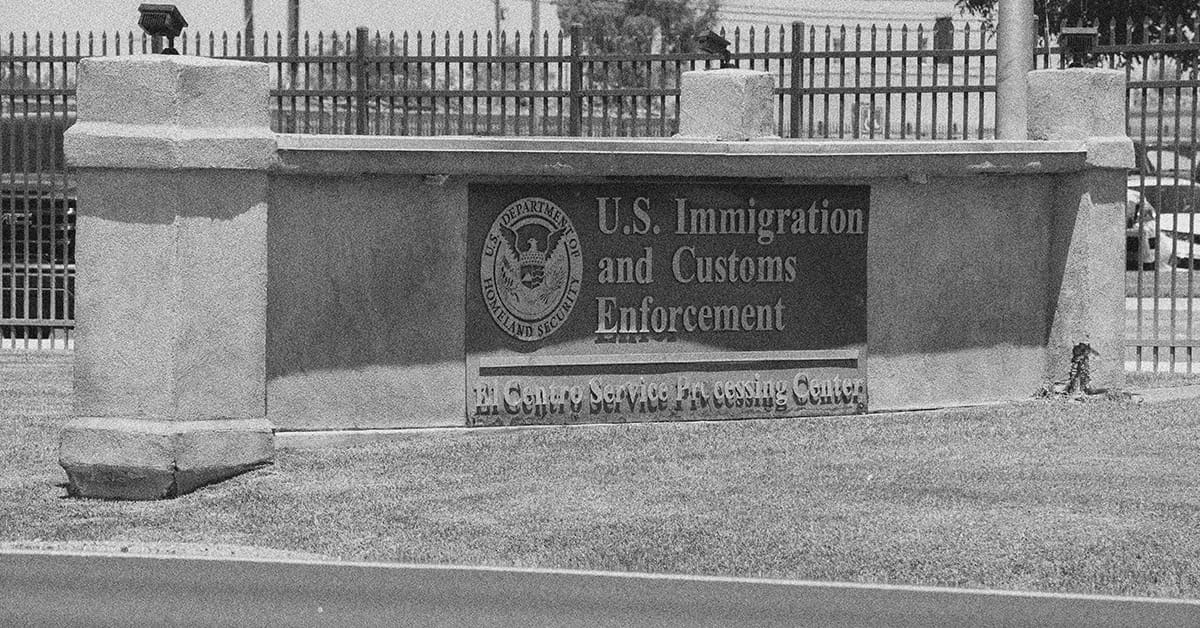
In September, construction for a Hyundai-affiliated electric vehicle battery plant came to a halt after ICE, Homeland Security and other federal agencies conducted a large-scale immigration raid at the construction site in Georgia. More than 400 workers were arrested, many of them were in the US illegally, either overstaying visas or crossing the border unlawfully. The raid delayed the opening of the plant for several months resulting in significant economic, political and reputational damages for the company.
In recent months, businesses have seen a surge in notices of inspection (NOIs), unannounced workplace visits and judicial search warrants. The raid at the Hyundai-affiliated construction site revealed major compliance gaps. It also reflects a broader policy shift toward deterrence and accountability, making it critical for companies to reassess their compliance posture.
While many employers complete I-9s accurately, this alone is not sufficient preparation, and many companies are not ready for the broader consequences of enforcement, such as reputational harm, operational disruption and legal exposure. To navigate this, businesses must move from reactive compliance to proactive risk management by embedding I-9 protocols into governance frameworks and preparing for enforcement scenarios before they occur.
As Trump Promises Immigration Crackdown, I-9 Landscape Is Poised for Upheaval
From increased worksite enforcement to potential E-Verify mandates, employers face a complex new era of hiring compliance
Read moreDetailsKey considerations of a proactive I-9 compliance program
1. Internal audits
Businesses should conduct an independent internal audit annually, at a minimum. Findings will reveal any control gaps that may expose the organization to risk, as well as provide an opportunity to strengthen internal accountability.
2. Training
Effective Oct. 30, the Department of Homeland Security (DHS) implemented an interim final rule that ends the automatic extension of employment authorization documents (EADs) for most renewal applicants. This announcement underscores how regulations and policies can change frequently. A training program developed just a few months ago may no longer be accurate. In addition to conducting training on a regular basis, training programs for hiring and onboarding personnel should be updated.
Organizations should also provide comprehensive document evaluation training to help strengthen their I-9 compliance processes. This proactive approach helps prevent errors that often occur when documents pass initial HR review and E-Verify checks, as they typically are not revisited afterward. Revising training to include document authenticity awareness allows HR professionals to make informed decisions, reducing the risk of compliance issues later.
3. Organization-wide accountability
I-9 compliance is not just an HR issue — it affects every division. Including all departments in response planning will help to minimize disruption and demonstrate good faith and compliance to regulators.
4. Preparing for enforcement
Most employers do not know how to handle unannounced DHS personnel visits to conduct workplace enforcement actions or serve NOIs until it’s too late. Enforcement actions can take many forms, and employers and employees should be prepared. Some of the types of interaction with government officials can include:
- Requesting to speak to an employee
- Serving of a subpoena or NOI
- Requesting consent to access a place of employment
- Executing a judicial search warrant
- Executing a criminal or administrative arrest warrant
Understanding these types of enforcement actions and how to handle each will better prepare staff, as well as designating a compliance response team consisting of spokespeople, senior management and legal counsel. Established protocols for interacting with DHS officers will also help better manage employee concerns and address public perception before and after enforcement actions.
5. Reviewing the workforce
The new rules regarding EADs underscores the need for employers to monitor expiring documents. As one of my colleagues recently said in a post after the DHS announcement, continuous and uninterrupted documentation that authorization on I-9 forms is necessary.
To avoid costly breaks in staffing, employers, now more than ever, must provide employees with ample notice to renew. While many employers use electronic I-9 platforms, which provide a tracking system of expiring employment authorization, these platforms should be reviewed to ensure they allow ample time for employees to request extensions. And for those employers still using paper I-9s, developing and implementing a good tracking system will not only help avoid business disruption but also will ensure compliance with regulations.
Providing employees with sufficient renewal notices, along with assessing how delayed renewals can drastically impact operations and productivity is a key business practice.

 John Connolly, a senior managing director at Guidepost Solutions, brings a distinguished three-decade tenure with the US government to his role. He provides guidance to clients worldwide, navigating the complexities of US customs, immigration and visa processes. He has played a pivotal part in high-profile projects, including serving on the monitoring team for a leading global financial institution and participating in a trade compliance audit for a prominent international corporation.