Rules are made for AI to follow, but exceptions to rules come from human experience. Neil Sahota, AI strategist and board director, discusses the balance of rules, experience, precision and exceptions needed to balance AI automation. Get that mix wrong and AI could commit a major foul.
The referee makes the call. Seconds later, play stops.
It happens across nearly all sports, where a video assistant referee (VAR), video reviews and instant replays have become ubiquitous in enforcing rules. Different angles expose details the human eye could miss, technology provides the evidence, and officials apply the rule. The decision is made … and people still argue about the call.
Our instinct is to blame VAR, but nothing malfunctioned. The technology accurately captured what happened. The officials correctly applied the rule. The system worked exactly as designed.
But what if the problem was the rule itself?
This question goes beyond sports. As companies embed AI into fraud detection, lending, hiring, pricing, procurement and other decisions, they excel in consistency. This is not always good news.
Rules vs. experience
People are inconsistent rule followers. We overlook things, we make exceptions. AI eliminates much of this variation. Give a machine a rule, and it will apply it to the first decision and the millionth with remarkable consistency. But put this in the context of a poorly written or ineffective rule: People may apply a bad rule inconsistently, but AI won’t. AI will apply the bad rule a million times.
AI’s greatest governance risk is consistency at scale. Worse, what companies call human inconsistency isn’t always an error. Sometimes, it is experience.
Imagine veteran fraud investigators who repeatedly override the same category of AI-generated alert. Management sees exceptions. Compliance sees deviation. The AI team sees users who aren’t trusting the model. But what do the investigators see?
Perhaps they learned through thousands of cases that a particular customer behavior looks suspicious according to policy but is usually legitimate. This judgment call won’t appear in the procedure manual because it springs from years of human experience.
Historically, this is how organizations operated. The official process says one thing while experienced employees make thousands of tiny adjustments that allow the process to work in the real world. Then, AI arrives. Management says: “Automate the process.” But which process?
Typically, we encode the process we can see: the documented rules, decision trees, thresholds and procedures. Yet, the thousands of judgment calls employees make between those steps are much harder to capture.
The company believes it automated the operating model. Unfortunately, more often, it automated the function of how its operating model actually works.
In Healthcare, an AI Mistake Can Cost a License or a Life
AI scales safety risks in healthcare to unprecedented levels
Read moreDetailsPrecision vs. exceptions
This is where the VAR offers a lesson. While better technology tells us with better precision what happened and if a rule was followed, it cannot determine whether the assumptions behind our rules still make sense.
In fact, greater precision may expose weaknesses that human inconsistency previously concealed. This should change how executives think about AI governance. Yet, we rarely ask: What human judgment makes this process work that is not documented? The answer hides in the exceptions.
Before AI eliminates your exceptions, find out why the exceptions are there and what knowledge they may signal. Consider what people interpret and establish as guidelines. Once embedded into an AI-enabled workflow, the same policy becomes executable infrastructure and operates continuously at enormous scale. This creates a different question for executive teams and boards: What assumptions do people turn into infrastructure?
During almost any sporting match, millions of people watch VAR or video replays and still question the call. Inside a company, there is no stadium watching as AI converts yesterday’s assumptions into tomorrow’s decisions.
Ironically, the true danger is that AI may understand them perfectly.

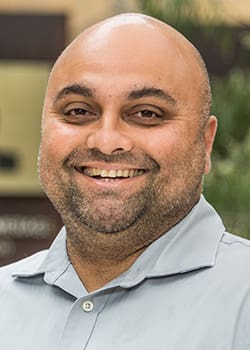 Neil Sahota is an AI strategist, executive and board director, including serving as an AI adviser to the United Nations.