The New York City Public Library system recently gave compliance professionals a lot to think about.
The typical compliance program follows this recipe:
- Identify expected behaviors
- Punish those who don’t comply
In the world of libraries, patrons are expected to return books on or before the due date. If they don’t, they must pay a fine.
So it was a bit surprising when NYC decided to forgive over 400,000 patrons whose library accounts had been suspended because each owed more than $15 in late fees. All fines were wiped clean. In fact, all fines have been eliminated going forward.
Looking at its data, NYC noticed that most blocked accounts belonged to children and teenagers living in poor neighborhoods. In other words, NYC had blocked the very people who most need libraries. Someone with common sense saw that it was a ridiculous situation and put an end to it.
This situation reminded me of the Israeli daycare that started to impose fines on parents who were late to pick up their children at the end of the day. The fine eliminated the moral obligation that parents had to be on time, and they now saw the fine as a permission to be late, as long as you were willing to pay for it.
Of course, parents will eventually pick up their kids at the end of the day. But when it comes to books, poor patrons facing fines will not return them. The fines don’t work. Perhaps more than a million books were missing from the libraries because of the fines.
Tony Marx, the president of the NY Public Library system, put it wisely when he said that if you treat people with respect, they will respond in kind; allow patrons to return the books late, and they will return them.
In your organization, is there a rule that is broken over and over again, despite the punishments imposed on the delinquents? If so, could your compliance program be at fault?
Writing as “The Ethical Leader,” Yan Tougas draws on 15 years of experience as a compliance & ethics officer at a Fortune 500 company, sharing insights, wisdom and lessons learned. This post originally appeared on “The Ethical Leader” and is reprinted here with permission. Views expressed are that of the author. Visit him at YanTougas.com, connect with him on LinkedIn or follow him on Twitter.

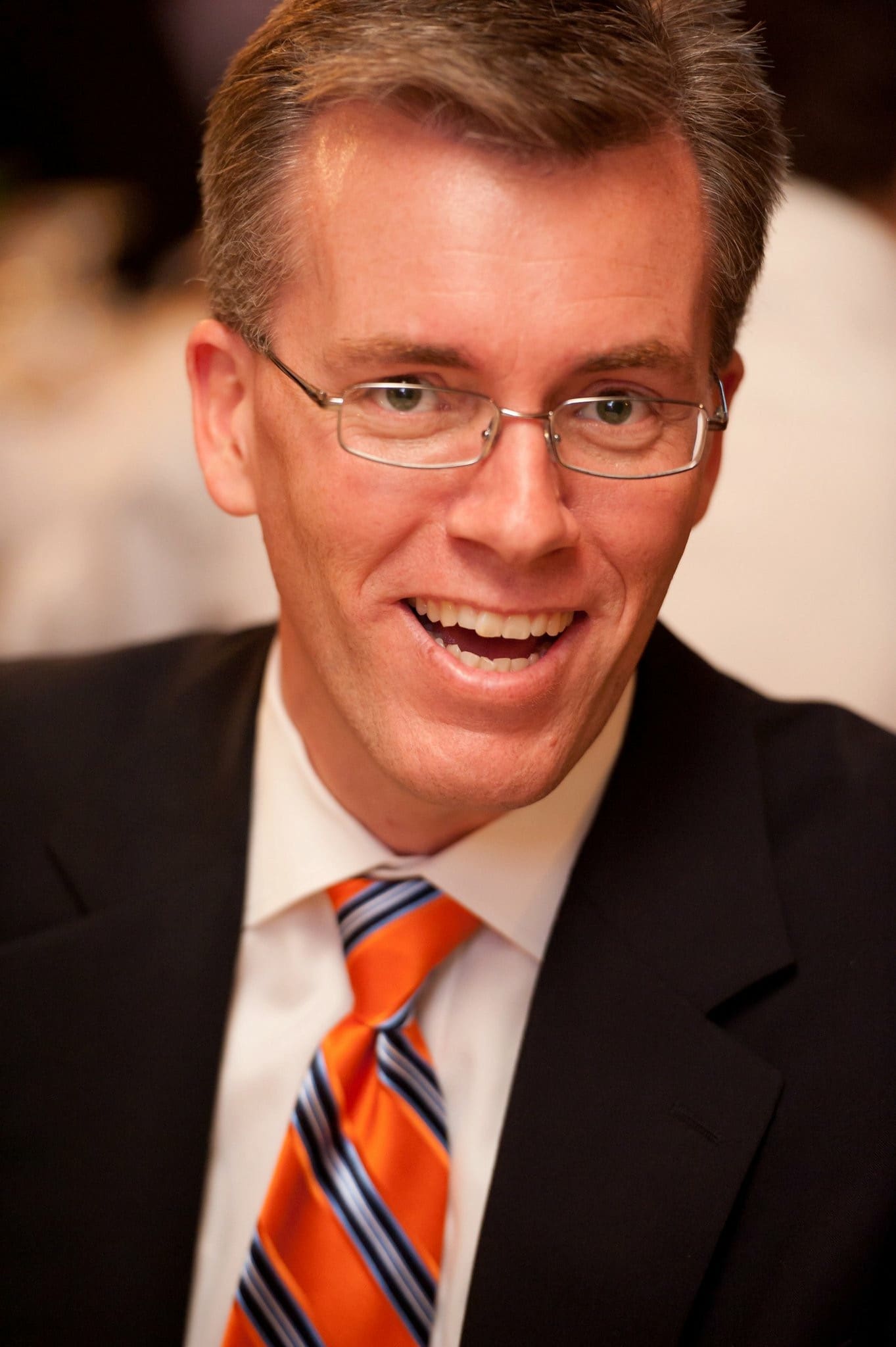 Yan Tougas, Global Ethics & Compliance Officer, Raytheon Technologies Corporation
Yan Tougas oversees Raytheon’s global ethics programs, supporting a network of nearly 300 Ethics & Compliance Officers, managing the company’s Ombuds program, and ensuring that best practices are adopted across Raytheon’s business units. Ethical culture and leadership is the focus of all activities under his responsibility.
Yan joined Raytheon in 2000 and held positions of increasing responsibility at several of its business units. He took his current position at the Corporate Office in 2012.
Yan holds a LL.B from the University of Sherbrooke School of Law (Quebec) and a LL.M. from University of Connecticut School of Law. He sits on the Board of the Ethics & Compliance Initiative and on the Advisory Board of the Hoffman Center for Business Ethics at Bentley University. Yan currently lives in Connecticut with his wife and three children.
Yan Tougas, Global Ethics & Compliance Officer, Raytheon Technologies Corporation
Yan Tougas oversees Raytheon’s global ethics programs, supporting a network of nearly 300 Ethics & Compliance Officers, managing the company’s Ombuds program, and ensuring that best practices are adopted across Raytheon’s business units. Ethical culture and leadership is the focus of all activities under his responsibility.
Yan joined Raytheon in 2000 and held positions of increasing responsibility at several of its business units. He took his current position at the Corporate Office in 2012.
Yan holds a LL.B from the University of Sherbrooke School of Law (Quebec) and a LL.M. from University of Connecticut School of Law. He sits on the Board of the Ethics & Compliance Initiative and on the Advisory Board of the Hoffman Center for Business Ethics at Bentley University. Yan currently lives in Connecticut with his wife and three children.