FCPA
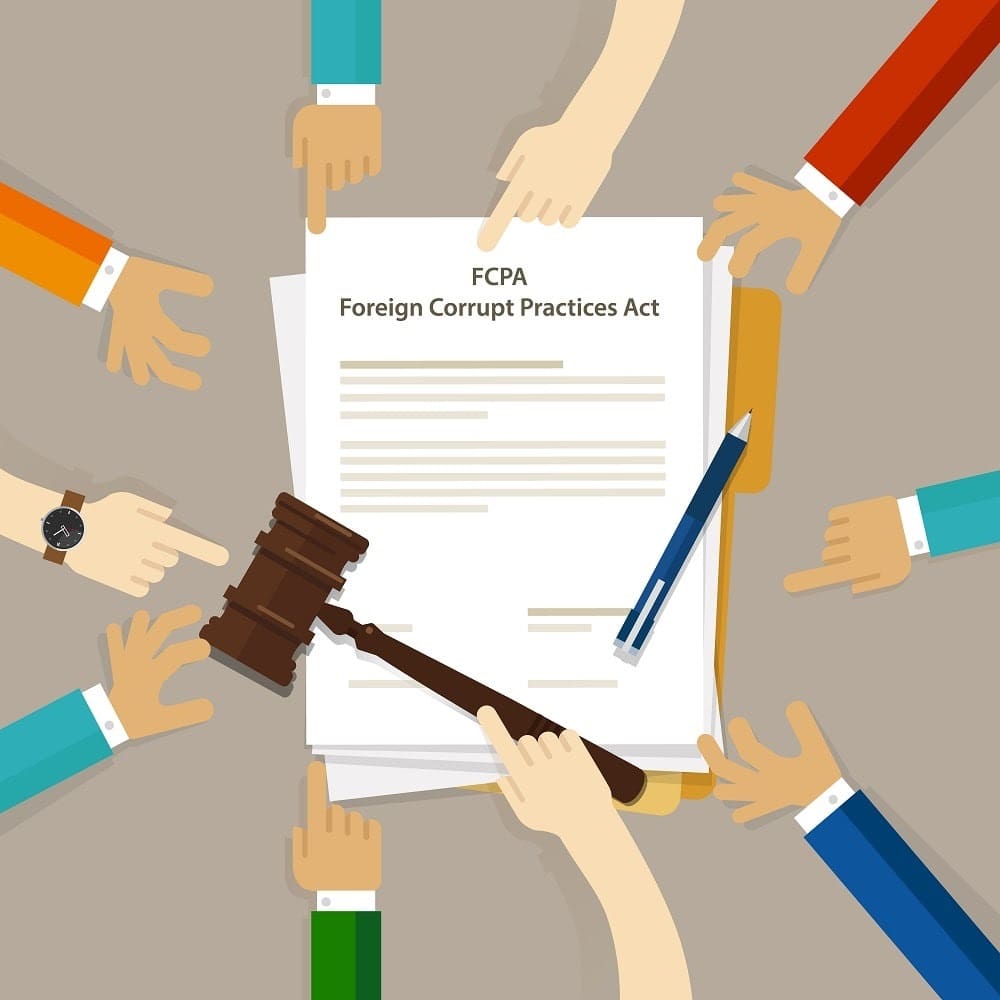
What is the FCPA? The abbreviation stands for the Foreign Corrupt Practices Act. The FCPA is a 1977 US amendment that focuses on provisions related to anti-bribery and transparency through corporate accounting transactions. The following FCPA articles are written by and for compliance and legal professionals and cover FCPA news, events, whitepapers, podcasts, and webinars and more.

10 FCPA Myths and Misconceptions, Debunked
How well do you know FCPA regulations? You could be laboring under some misconceptions - and you wouldn't be alone. FCPA expert Matteson Ellis has heard myths from the mouths of those new to compliance, but also from execs and seasoned professionals who should know better. Here are some of the biggest FCPA myths circulating out there.

When It’s So Broke, You Can’t Fix It: The Decision Not to Do Business in Highly Corrupt Countries
There’s something to be said for correcting issues of corruption, but in some cases the problem is beyond fixing. Corruption in some industries and countries is so pervasive that your organization's best chances of avoiding significant reputational harm and sizeable penalties for regulatory violations lie in simply getting out.
The FCPA “Elevator Pitch:” Selling Anti-Corruption Compliance to Latin American Executives
Sensitive discussions about potential bribery lend themselves more to one-on-one encounters than larger, formal settings. The catch is that in these situations, you’ve got to make a compelling case for compliance – and quick. Consider leading with these five talking points to convince Latin American executives to redouble their efforts to prevent FCPA violations and minimize sanctions.

The Unknown Known: The Knowledge Standard for Bribes by Third Parties
Whether or not a company is aware of its third parties’ goings on, it can suffer financial or reputational harm as a result of their actions. While culpability can be more difficult to prove, willful or feigned ignorance of likely red flags in highly corrupt areas won’t save the organization from the consequences of third parties’ unseemly conduct.
The 10 Most Important FCPA Internal Controls (Part Two: Other Processes)
Certain company processes might not constitute traditional notions of “internal controls,” but FCPA enforcement officials have taken the position that a wide range of activities is covered by the term.

Arbitration, Corruption and Voluntary Self-Disclosures: What are the Options?
A company in the midst of arbitration proceedings that discovers potential bribery related to the contract at issue faces inherently irreconcilable conflicts ...
When to Use Outside Counsel for FCPA Investigations
These days, more and more companies are developing internal resources to manage potential FCPA violations.

The Master List of Third-Party Corruption Red Flags
Under the FCPA, companies and individuals can be liable for the bribes that their agents, consultants, sales representatives, distributors, lawyers, accountants, brokers and other third-party intermediaries make ...

Drilling for Trouble: 5 Ethical Considerations for Oil & Gas Companies Doing Business with Foreign Governments
This article by Matthew Reinhard of Miller & Chevalier will not only assist oil companies in ensuring compliance with anti-corruption laws and policies, but assist the compliance department in adding real business value to transactions.

Disgorgement: The Devil You Don’t Know
Sasha Kalb and Marc Bohn of Miller & Chevalier provide an in-depth examination of the SEC's application of disgorgement - the remedy used to deprive wrong-doers of their ill-gotten gains and deter violations of federal securities law - in FCPA resolutions.