The legal risks associated with building stadiums and other megaprojects are structural rather than exceptional, writes Brian W. Boschee of Howard & Howard. In today’s stadium boom, legal risk rises just as quickly as steel. Ignoring that reality is often the most expensive risk of all.
The resurgence of stadium construction and other commercial megaprojects has reshaped American cities and reinvigorated public investment in sports and entertainment infrastructure. At the same time, these projects have fundamentally changed the legal risk profile of the construction industry. Disputes arising from stadiums and megaprojects are broader in scope, higher in stakes and increasingly resistant to early resolution compared to traditional commercial construction conflicts.
Recent legal decisions demonstrate that these risks are not theoretical. Courts across the country are addressing disputes involving schedule compression, public financing structures, aggressive risk allocation and insurance coverage gaps often with outcomes that surprise experienced industry participants.
Scale and complexity multiply legal exposure
Modern stadiums are among the most complex vertical construction projects undertaken today. Retractable roofs, long‑span steel systems, integrated broadcast infrastructure, accessibility requirements and mixed‑use components dramatically increase coordination demands among designers, specialty consultants and contractors. This increase in complexity can lead to increased design errors, engineering disputes and professional negligence claims.
Additionally, stadium and commercial megaprojects often exceed budgets due to design changes, inflation, supply-chain issues or other unforeseen site conditions. When costs exceed estimates, disputes typically arise over who is responsible for the cost overrun, and the answer is rarely ever just one party. Multi‑defendant litigation involving architects, engineers, construction managers, fabricators and specialty trades has become routine. Courts continue to permit substantial recovery where defects or coordination failures delay openings or require costly remediation even where construction has substantially progressed.
The legal lesson is that complexity multiplies exposure, and courts are increasingly willing to engage in nuanced allocation‑of‑fault analyses when stadium or megaprojects unravel. But even with the understanding that exposure is increased, these projects continue to move forward because of the enormous economic impact to the parties involved with the projects and the cities benefiting from the revenue from the projects.
Fixed deadlines and accelerated schedules fuel disputes
Unlike conventional commercial projects, stadium developments are frequently tied to immovable deadlines, such as the start of a sports season, broadcast commitments or similar considerations. Failure to meet those dates can expose owners to significant financial and reputational harm, as the deadlines are not typically flexible and municipalities and organizations are dependent on meeting specific dates.
In Ben‑Oni v. Wood, plaintiffs sought to halt construction of a publicly funded university stadium on constitutional and procedural grounds related to student‑fee approvals. Although the court denied a temporary restraining order and allowed construction to proceed, the litigation illustrates how publicly funded stadiums routinely attract lawsuits unrelated to construction performance but capable of disrupting schedules and increasing legal costs.
Fast‑track and design‑build delivery models further magnify this risk. Contractors are often directed to proceed on incomplete or evolving design documents, increasing exposure to acceleration, inefficiency and constructive delay claims. Courts reviewing these disputes focus less on whether delays occurred and more on whether contract language genuinely allocated that risk at the outset.
However, given the complexity of the projects in question, it can be difficult to ascertain how to deal with acceleration costs and delay claims in the underlying contracts. Given the unpredictability of material costs, inflation and labor, assigning a liquidated damage number to delay claims in construction agreements for projects of this scope is almost impossible. At the same time, that creates a different type of pressure and uncertainty for insurers and sureties attempting to ascertain and assign risk to the project.
Public financing expands the litigation field
Public funding mechanisms, including bonds, tax revenues and public‑private partnerships, introduce a second layer of legal exposure absent from private projects. Disputes are no longer confined to owners and contractors; unsuccessful bidders, taxpayers and oversight entities increasingly enter the fray.
The magnitude of potential liability is illustrated by recent megaproject litigation outside the stadium context. In BML Properties, Ltd. v. China Construction America, Inc., a New York appellate court affirmed a $1.6 billion judgment after finding that misrepresentations regarding construction progress and completion capability caused the collapse of a publicly backed project. While not a sports venue, the decision underscores the extraordinary exposure that can arise when public or quasi‑public projects fail.
For stadium developers, the problem is obvious but without a realistic solution: Public oversight increases — not reduces — legal vulnerability when projects fall behind schedule or over budget. But at the same time, without public funding initiatives, many of these projects cannot get off the ground.

How Unannounced Workplace Visits Are Forcing Companies to Rethink Immigration Compliance
New DHS rules ending automatic EAD extensions mean recent training programs may no longer be accurate
Read moreDetailsThis all leads to additional concerns related to outside attention. Stadium projects, and to a lesser extent commercial megaprojects, are highly visible public projects. With that comes intense media and public attention, which creates an added level of pressure on owners and contractors to, among other things, accelerate construction, approve design changes that carry more risk than would normally be acceptable and possibly work to conceal early cost problems and overruns. If these issues become public, as they often do, they increase the likelihood of litigation down the road, which is another legal risk parties have to consider when taking on projects of this magnitude.
Aggressive risk allocation invites contract litigation
Given the financial stakes, stadium contracts are rarely standard‑form agreements. Owners frequently attempt to rely on heavily negotiated provisions designed to shift extraordinary risk downstream, including broad indemnities, tight notice requirements and narrow change‑order rights. Conversely, contractors and suppliers have to ascertain how much of that risk they are willing to take on, balancing the immense financial circumstances that can come with projects of this size.
Courts, however, have shown little tolerance for attempts to escape contractual obligations when economic conditions deteriorate. In Skanska USA Civil Southeast, Inc. v. The Lane Construction Corp., the 11th Circuit affirmed an $80 million judgment against a joint‑venture partner that attempted to abandon a $2.3 billion public‑private megaproject after cost overruns mounted. The court held that unfavorable project economics did not excuse contractual performance or fiduciary obligations.
The decision reinforces a recurring theme in stadium litigation: Aggressive risk allocation may increase certainty at signing, but it often increases the chances of high‑stakes litigation when reality diverges from projections. Parties can only mitigate so much in the underlying contracts.
Insurance and surety coverage gaps
Stadiums and megaprojects also stress the insurance market because they involve extremely high values and multiple levels of exposure. Typically, insurers and sureties identify risks like workmanship defects, construction site accidents, fire and water damage during construction and operational liability from large public venues. Even in the early stages of projects like these, such risks can produce disputes among contractors, owners and insurers about coverage scope and exclusions.
If project participants can work out the scope and exclusions in the coverage insurance, they might assume that insurance will serve as a safety net. Recent appellate decisions demonstrate otherwise. Courts continue to hold that design and construction activities — even when alleged to be negligent — do not constitute accidental “occurrences” under standard commercial general liability policies.
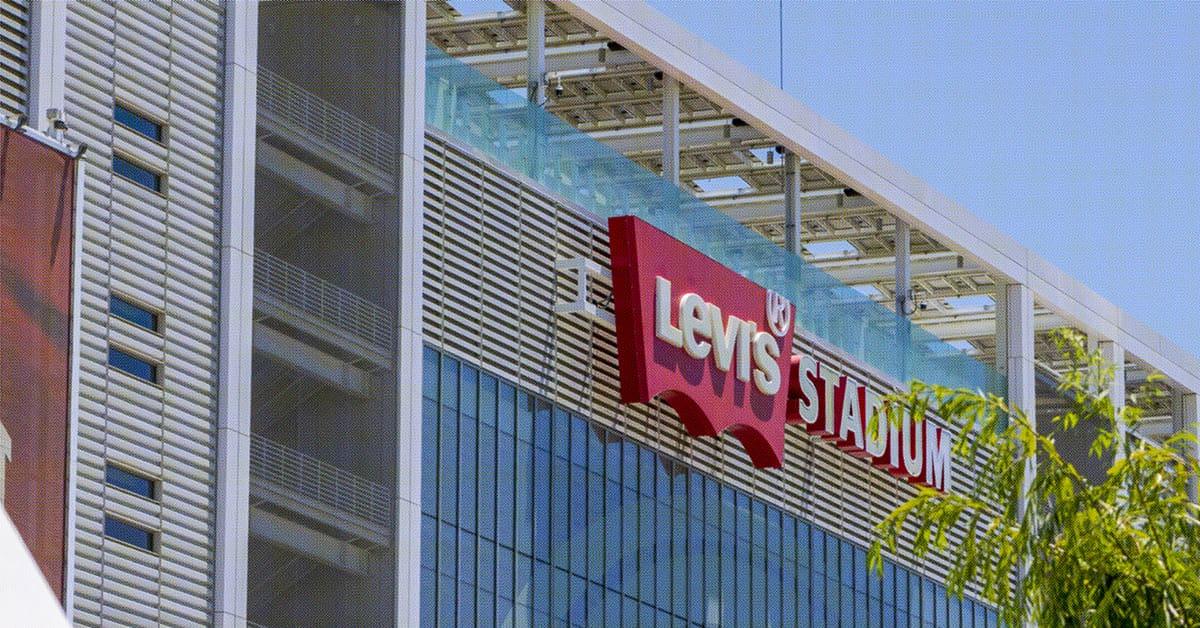
That principle was reaffirmed in Hartford Fire Insurance Co. v. Turner/Devcon, where the 9th Circuit held that insurers owed no duty to defend or indemnify a construction joint venture against ADA accessibility claims arising from the San Francisco 49ers’ stadium construction. The court emphasized that intentional design and construction choices do not become “accidents” merely because they allegedly violate statutory requirements.
Surety exposure can be equally severe. In Arch Insurance Co. v. Centerplan Construction Co., a federal court enforced a broad general indemnity agreement and required contractors to reimburse more than $39 million following the surety’s takeover and completion of a delayed stadium project.
These decisions confirm that contractual indemnity obligations frequently outstrip available insurance protection on stadium projects, and the precedent would likely also apply to any mega-scale commercial endeavor.
With the boom in stadium and megaprojects, scale, complexity, compressed schedules, public oversight and aggressive risk allocation combine to create disputes that are larger, more technical and more expensive than traditional construction litigation.
For owners, contractors and designers, early legal involvement, disciplined contract drafting, realistic scheduling and proactive dispute‑avoidance strategies are essential.

 Brian W. Boschee is a commercial and construction litigator and counselor who represents a variety of clients in state and federal courts in Nevada, as well as before administrative agencies in Nevada. He is an attorney at Howard & Howard in Las Vegas.